
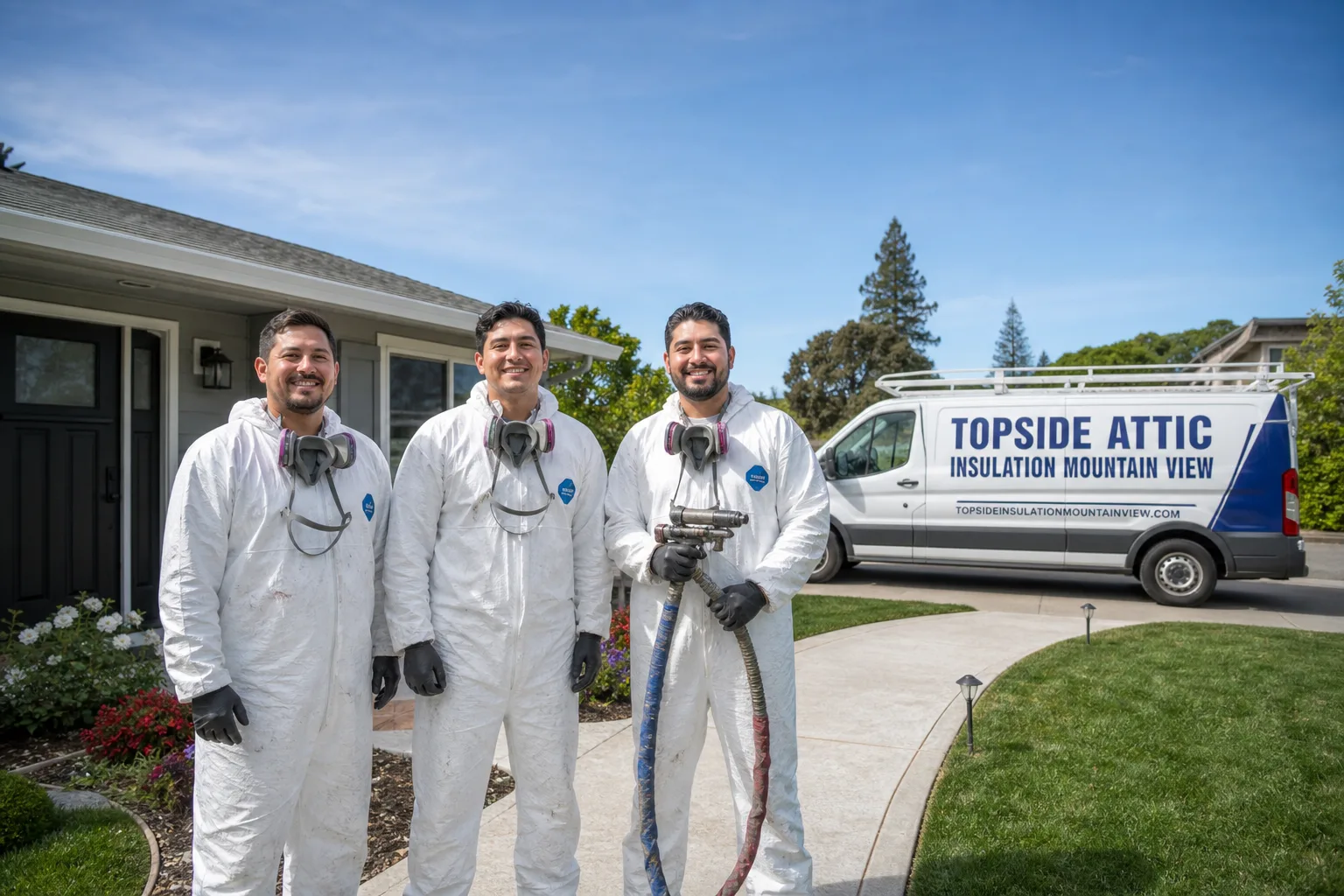
Fast, Reliable Blown-In Insulation Across Fremont
Blown-in insulation in Fremont typically runs $2.80-$5.40 per square foot of attic floor, with most complete attic retrofits falling between $3,200 and $6,800 depending on whether we’re removing old material, air-sealing first, or blowing over existing batts. Most Fremont jobs are completed in one day, and our crews are dispatched from our San Francisco Bay Area office with same-day or next-day availability for most neighborhoods. Call (669) 259-0406 for a written price before any work starts - that’s Haven Standard Clause 1, no exceptions.
We’ve worked in Fremont long enough to know that a single insulation spec fails across this city. The five-district patchwork - Niles, Centerville, Irvington, Mission San Jose, and Warm Springs - produces dramatically different attic conditions. Our crews carry different material orders for a Mission San Jose foothill job versus an Ardenwood bayside call, and we adjust vapor-retarder strategy block by block rather than treating Fremont as one uniform market.
Why Topside Attic Insulation Mountain View Is Fremont’s Preferred Blown-In Insulation Company
We’ve sealed and insulated over 9,000 homes since 2016, and a significant share of those have been in Fremont’s distinct microclimates. Our local reputation here is built on documented results - every applicable job leaves the homeowner with before-and-after blower-door numbers showing exactly how much conditioned air the home stopped losing. Fremont customers specifically cite this documentation in their reviews; they want evidence, not promises.
Response time to Fremont neighborhoods averages same-day or next-day scheduling, with our Fremont runs coordinated from the Bay Area office to avoid the callback windows and voicemail loops common with larger operations. Calls are answered by a live person 24/7.
Our local knowledge runs deeper than zip codes. We know that a crew treating a Warm Springs tract ranch the same as a Centerville bungalow will miss the mark on both performance and moisture management. We know which Fremont building departments require permit pulls for dense-pack wall work and which attic jobs can proceed without delay. That specificity is what keeps our callback rate low and our documented photo records consistent.
Our Blown-In Insulation Services in Fremont
Blown-In Cellulose
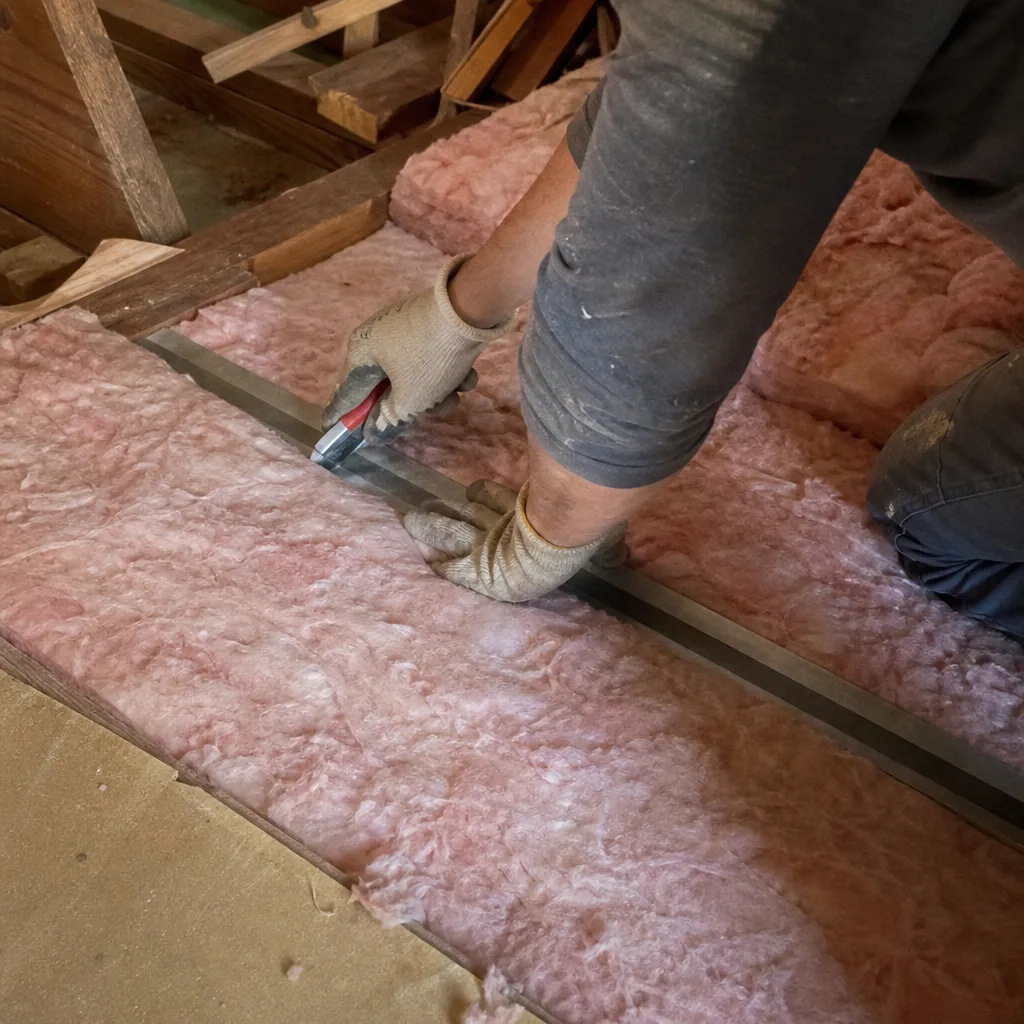
We use GreenFiber cellulose for most Fremont attic jobs - treated borate for fire and pest resistance, blown to spec density so it doesn’t settle below target R-value. In Mission San Jose and Warm Springs, where August attic temperatures can exceed 150°F against the Diablo foothills, we blow cellulose to R-49 or R-60 because the standard R-38 spec common in coastal Alameda County consistently fails here. On the bayside in Ardenwood and Centerville, the same cellulose gets paired with vapor-retarder detailing to manage the fog-dampened marine layer that penetrates attic assemblies. Cellulose handles both conditions well, but the installation sequence changes.
Blown-In Fiberglass
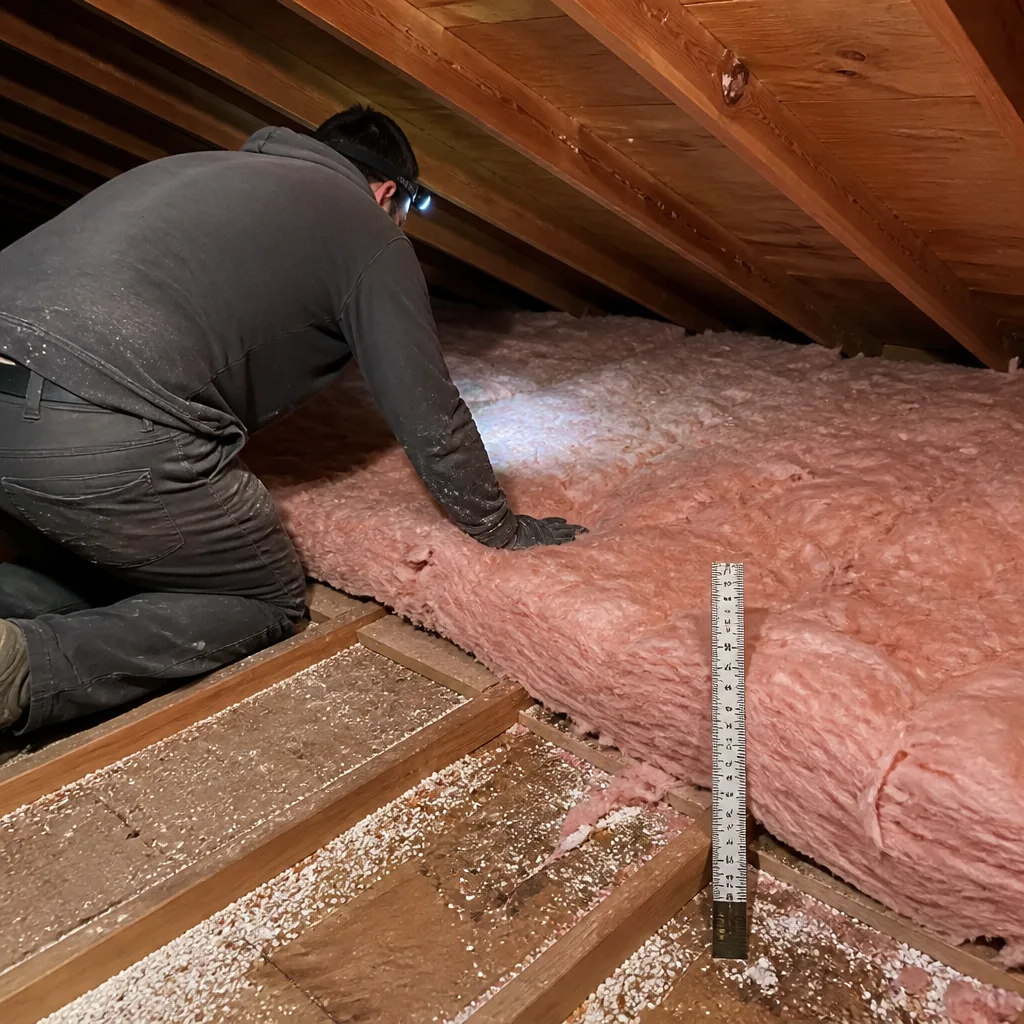
Fiberglass works for Fremont homeowners who want a non-cellulose option, particularly in homes with known rodent history where the paper content of cellulose raises concerns. We source from Owens Corning and Johns Manville - no proprietary lock-in, so you’re paying for performance, not branding. Fiberglass requires careful density control in Fremont’s hotter attics; under-blown fiberglass loses R-value fast when attic temperatures spike. Our crews density-test as we go, not after the truck leaves.
Dense-Pack Wall Insulation
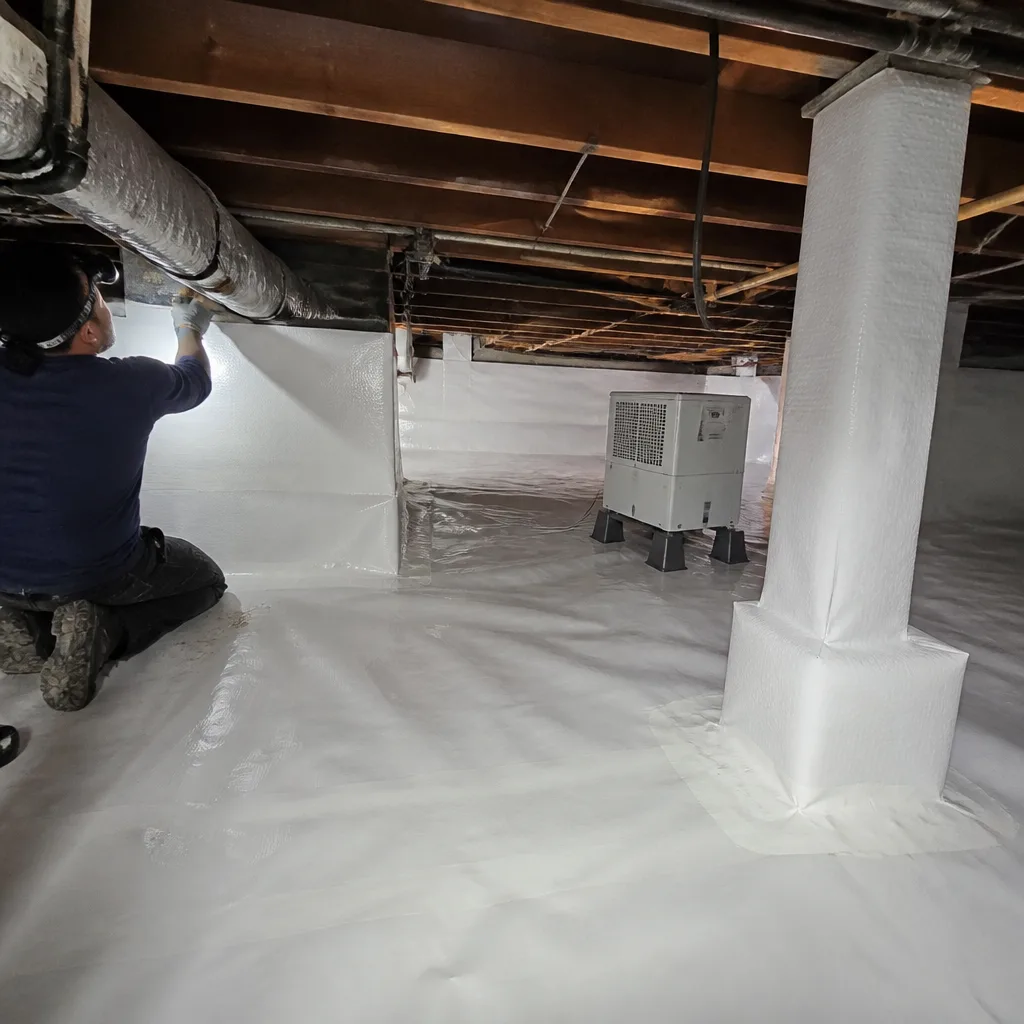
This is where we see the biggest gap between what Fremont homes need and what they get. The 1960s-1970s tract ranches that dominate Fremont’s housing stock have wall cavities that were either empty or lightly insulated at build. Blowing attic insulation without dense-packing those walls leaves the dominant heat leakage paths untouched. In Niles’ early-1900s Craftsman bungalows, dense-pack is often the only practical wall retrofit short of full gut renovation - we access through exterior clapboard or interior plaster, depending on preservation priorities. Every dense-pack job gets a written scope specifying target density (typically 3.5-4.0 lbs/cf for cellulose) and the blower-door verification that proves the air barrier held.
Blown-In Top-Up
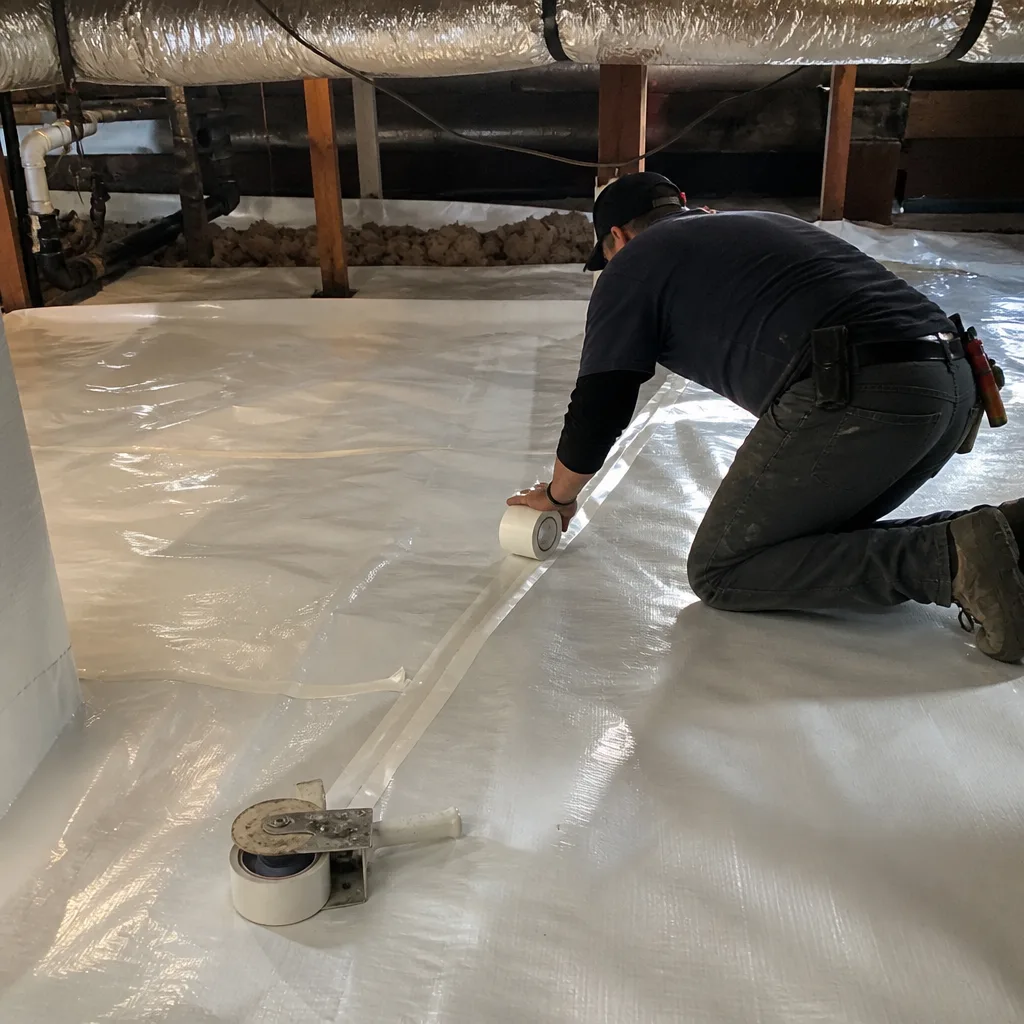
Top-ups are common in Fremont, but they’re also where corners get cut. The typical failure mode: a crew blows 6-8 inches of new material over collapsed R-11 batts, calls it R-38, and leaves. The resulting assembly still performs below R-30 because the old batts are compressed, degraded, or moisture-damaged underneath. Our Blown-In Insulation team removes degraded material before adding new - or, if the existing batts are intact and dry, we ventilate and level before blowing over. We won’t blow over unsealed top plates, can lights, or chimney chases; air sealing is completed first, always. The homeowner gets a photo record showing what was under there, what came out, and what went in.
What happens when you call
- 1
A real person answersNo phone trees - you reach a local pro.
- 2
You get an upfront price rangeHonest numbers before anyone is dispatched.
- 3
A background-checked tech heads outLicensed & insured, dispatched right away.
- 4
You approve before work beginsNothing starts until you say go.
Trusted Brands We Service in Fremont
We stock and install Owens Corning, Johns Manville, and Knauf materials for Fremont jobs - sourced through standard distribution, not locked into any single manufacturer’s program. This means if a Fremont homeowner has a preference based on prior experience, product data, or compatibility with existing insulation, we can accommodate without upcharge or delay. Our crews carry common densities and blends on the truck for same-day completion; specialty orders for Rockwool or other materials arrive within 24-48 hours. No proprietary product lines, no pushed upgrades. The brand choice is technical, not promotional.
Common Blown-In Insulation Problems We See in Fremont Homes
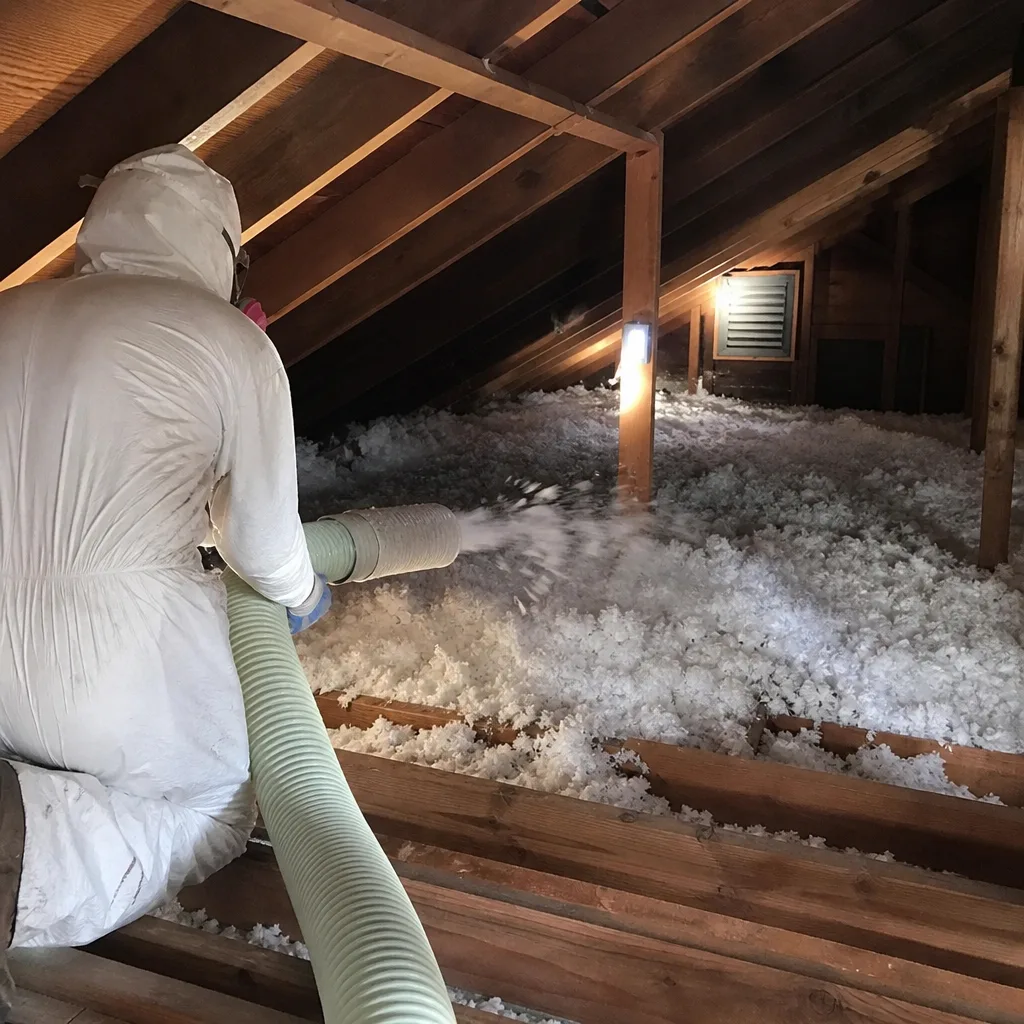
- Thin blow-over on collapsed batts in Mission San Jose and Warm Springs. Original R-11 to R-19 batts are left in place while a thin layer of blown-in is added on top. The resulting assembly still falls short of the R-49 to R-60 that foothill attic temperatures near 150°F actually demand, and the AC keeps running without holding setpoint.
- Moisture-matted cellulose in bayside Ardenwood and Centerville. Blown-in cellulose is installed without a vapor-management plan, so fog-dampened air and poor attic ventilation leave the insulation damp and compressed. The material loses R-value and can support mold where the dew point is reached.
- Attic-only treatment in Niles Craftsman homes and 1960s tract ranches. Crews blow attic insulation but skip dense-pack wall cavities and top-plate air sealing. The dominant heat and air leakage paths - walls, electrical penetrations, rim joists - remain unaddressed, so the homeowner sees minimal comfort improvement despite the attic spend.
- Uniform R-38 spec applied citywide. A contractor treats Fremont as a single climate zone, specifying R-38 everywhere. In practice, R-38 is adequate for fog-cooled bayside neighborhoods but consistently undersized for Mission San Jose and Warm Springs foothill homes, where R-49 to R-60 is the local standard based on actual attic temperature data.
Pricing for Blown-In Insulation in Fremont, CA
Most complete attic retrofits in Fremont run $3,200-$6,800 for a typical 1,200-2,000 square foot single-story home. Dense-pack wall insulation adds $1,800-$3,400 depending on cavity count and access method. Blown-in top-ups where existing material is viable start around $1,600. Removal of degraded batts before new installation adds $0.80-$1.40 per square foot.
| Service | Typical Range in Fremont |
|---|---|
| Complete attic removal + air seal + blown-in cellulose to R-49 | $4,800-$6,800 |
| Attic blow-over (existing material intact, air seal included) | $3,200-$4,600 |
| Blown-in top-up only (no removal, minimal prep) | $1,600-$2,800 |
| Dense-pack wall insulation (per floor) | $1,800-$3,400 |
| Material removal and disposal | $0.80-$1.40/sq ft |
What moves the number: attic accessibility (cathedral vs. scuttle vs. full staircase), whether we find asbestos or vermiculite in older homes, the extent of air-sealing required before blowing, and whether we’re matching an existing material or switching types. Every job gets a written price before any work starts - Haven Standard Clause 1 - and a free second opinion on any competing written estimate you bring us. Call (669) 259-0406 for scheduling.
We Also Serve Cities Near Fremont
Our crews run regularly to Newark, Palo Alto, Sunnyvale, and Mountain View from the same dispatch - but Fremont’s microclimate complexity keeps us particularly busy here. If you’re in a bordering city and found this page through a Fremont search, we cover your area too; the same written-price protocol and documented photo record apply.
Serving Fremont, CA - Our Local Coverage Area
We’re based in the Fremont area and know this community well. Use the map below to see our service coverage - if you’re nearby, we can almost certainly help.
FAQs - Blown-In Insulation in Fremont
Mission San Jose and Warm Springs sit against the Diablo foothills, where August attic temperatures routinely exceed 150°F - 10-15°F hotter than bayside Ardenwood and Centerville on the same afternoon. That thermal load overwhelms R-38 assemblies, which is why local crews treat R-49 to R-60 as the practical standard for foothill homes even when code technically allows less. Ardenwood’s marine-layer cooling reduces the temperature delta across the ceiling, so R-38 performs adequately there. Call (669) 259-0406 and we’ll measure your actual attic conditions before specifying - estimates are free.
We remove them if they’re compressed below half their original thickness, moisture-stained, or pest-damaged. If the batts are intact and dry, we ventilate the attic, seal top plates and penetrations, then blow over after leveling. The homeowner gets photos of the original condition and the removal-or-retention decision before any new material goes in. Many Centerville homes have batts that settled to R-11 or lower - blowing over that without documentation is how undersized assemblies get hidden. We don’t do that.
Attic-only work leaves most of the thermal envelope unaddressed in a Niles Craftsman. These homes were built with empty or lightly insulated wall cavities, and the balloon framing common in early-1900s construction creates continuous air channels from basement to attic. Dense-pack wall insulation interrupts those channels and is typically the single biggest comfort improvement available short of full gut renovation. We access through exterior clapboard or interior plaster depending on your preservation priorities, and every job gets blower-door verification.
We primarily use GreenFiber cellulose for its density and moisture-handling characteristics, with Owens Corning and Johns Manville fiberglass available for homeowners who prefer it. The material type doesn’t change by neighborhood, but the installation detail does: foothill homes in Mission San Jose and Warm Springs get higher R-targets and enhanced ventilation detailing, while bayside homes in Ardenwood and Centerville get vapor-retarder strategy adjusted for marine-layer dampness. Brand choice is yours; thermal performance is ours to verify.
Only if the underlying assembly is right. A thin blow-over on collapsed R-11 batts won’t change the thermal performance meaningfully. We see this failure mode regularly in Warm Springs: the AC runs continuously because the ceiling assembly is still effectively R-15 or lower despite a fluffy new top layer. Our protocol is assess, photo-document, remove if degraded, air-seal, then blow to R-49 or R-60 with density verification. The 365-Day Done Right Promise applies - if it doesn’t perform, we make it right. Call (669) 259-0406 for a written scope and price before anyone starts.
Written by Wes Okafor, Owner at Envelope Insulation Co., serving Fremont and the Bay Area since 2016.