

Fast, Reliable Spray Foam Insulation Across Woodside
Spray foam insulation in Woodside typically runs $2.80-$5.40 per board foot for closed-cell and $1.20-$2.20 for open-cell, with most estate homes falling between $4,800 and $14,000 depending on the assembly. Our crews are dispatched from our San Francisco Bay Area office and can usually be on-site in Woodside within 24-48 hours of your call. We know the hillside roads, the fog patterns, and the building stock - from the postwar ranches in Stanford Weekend Acres to the custom estates on Westridge - so we don’t waste time figuring out what we’re looking at when we arrive. Call (669) 259-0406 for a written price before any work starts.
Why Topside Attic Insulation Mountain View Is Woodside’s Preferred Spray Foam Insulation Company
We’ve sealed and insulated over 9,000 homes since 2016, and a measurable share of them sit in Woodside’s hillside neighborhoods where standard approaches fail. Our reviews from Woodside customers consistently cite the blower-door numbers we publish - the pressurization readings that show, in a single figure, how much conditioned air the home was losing before and after our work. One recent job in Emerald Lake Hills dropped from 3,800 CFM50 to 1,900 after sealing and closed-cell application.
Response time to Woodside averages same-day or next-day for standard scheduling, with our live-answered 24/7 line routing calls directly to dispatch. We don’t use callback windows measured in business days. Our technicians are background-checked and uniformed, and you get a text when your named technician is en route - that’s Haven Standard: Arrive on schedule.
We also understand what “marine fog belt” actually means for your building envelope. North-facing slopes in Westridge stay fog-saturated for days while Atherton bakes in sun. That difference changes everything about material selection, and it’s why we spec closed-cell spray foam on those exposures instead of defaulting to whatever’s in the warehouse.
Our Spray Foam Insulation Services in Woodside
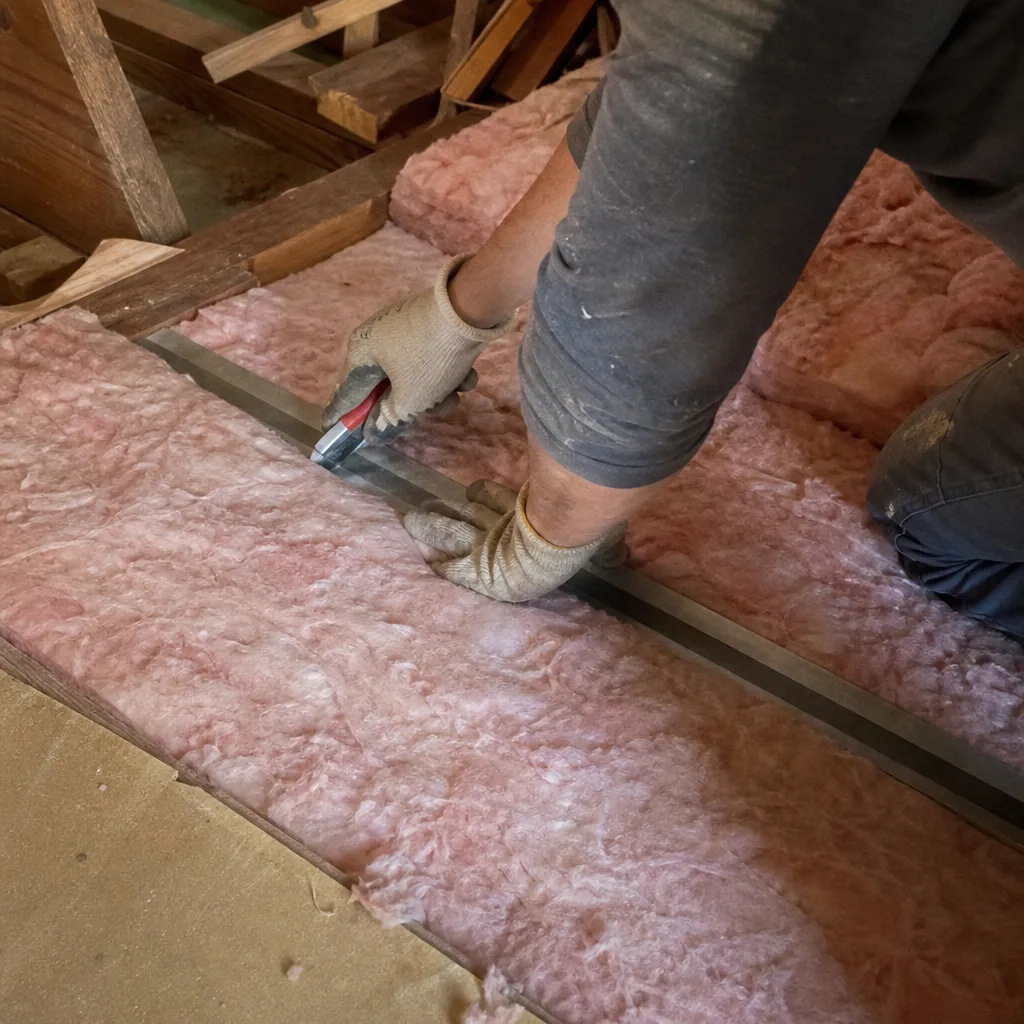
Closed-Cell Spray Foam
Closed-cell spray foam is our primary spec for Woodside’s north-facing hillside estates, particularly in Westridge and the canyon slopes above Emerald Lake Hills. At 2.0 lbs per cubic foot, it acts as both insulation and vapor barrier - critical where marine fog keeps exterior sheathing damp for extended periods. We source closed-cell products from Owens Corning and Demilec, applied at thicknesses that meet or exceed Title 24 requirements while addressing the moisture-management problem that R-value alone won’t solve. On a recent Westridge job, we replaced moisture-destroyed fiberglass batts with 3 inches of closed-cell on a garage ceiling and saw the space hold temperature within 3 degrees of the conditioned house above.
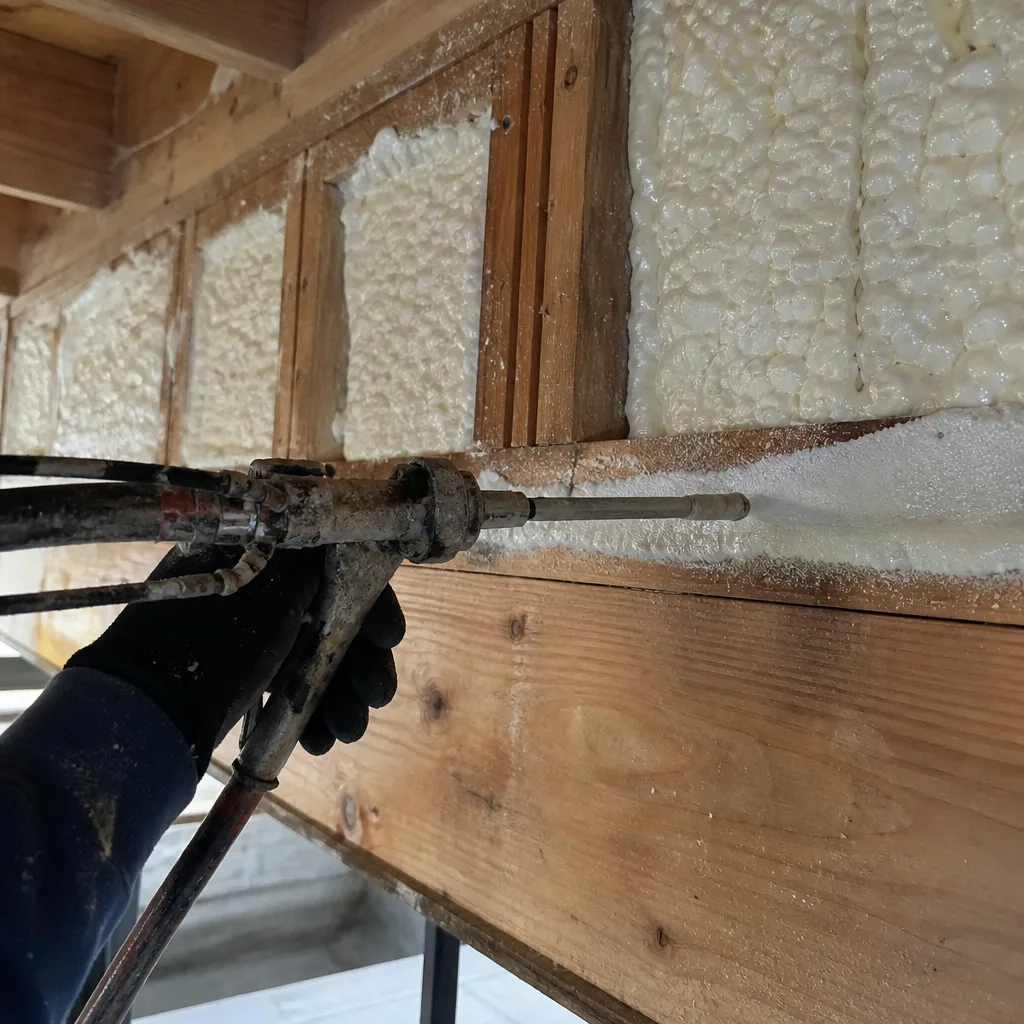
Open-Cell Spray Foam
Open-cell spray foam (0.5 lbs per cubic foot) has its place in Woodside, but we’re selective about where we use it. It works well in dry, vented attic assemblies and for sound control between interior partitions in large custom homes. We do not spec open-cell in rim joists or crawl spaces over sloped terrain without paired vapor-control and drainage detailing - the wicking risk is real, and we’ve pulled failed open-cell from hillside crawl spaces where ground moisture met foam and held it. Our Spray Foam Insulation team will tell you exactly which assembly type you’re dealing with before recommending a product.
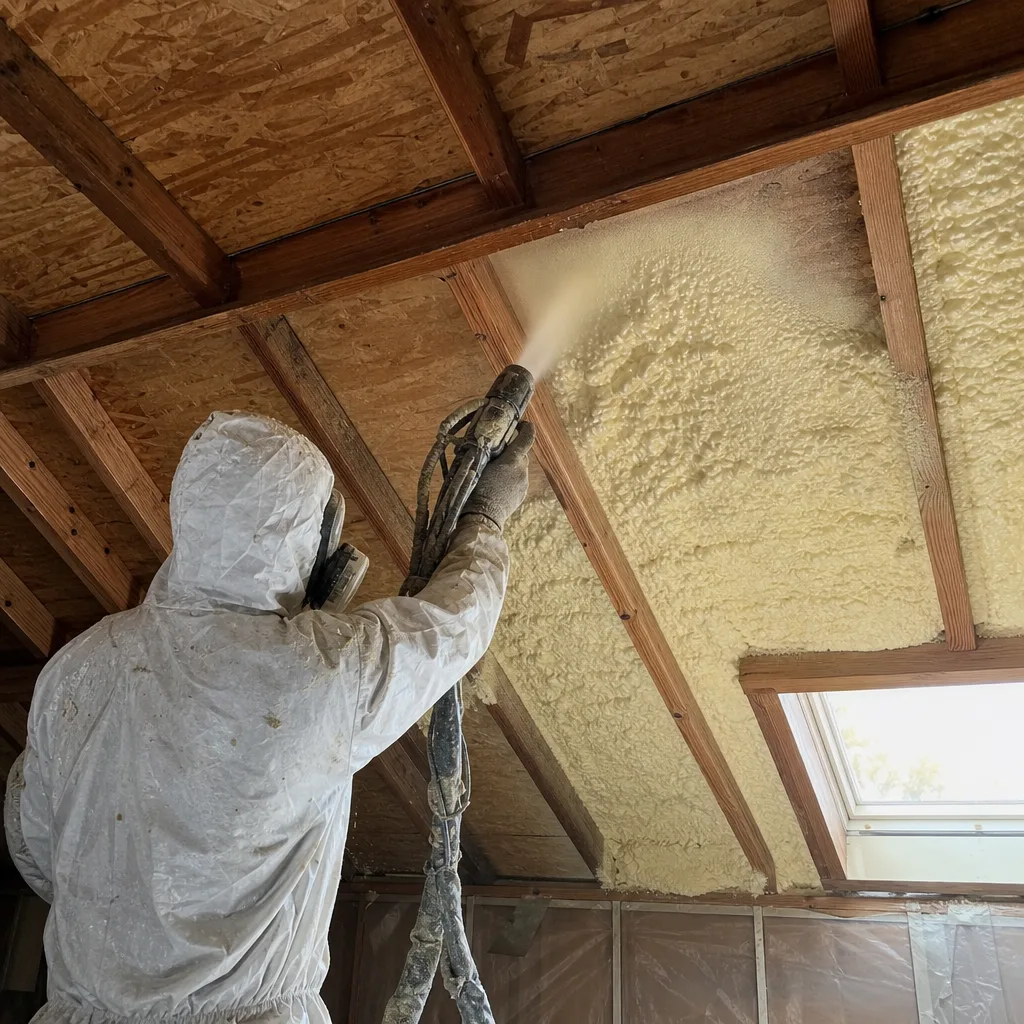
Rim Joist Spray Foam
Rim joists - the perimeter framing where your floor system meets the foundation - are the leakiest part of most Woodside crawl spaces, and they’re almost always uninsulated in homes built before 1980. On sloped lots common in Stanford Hills and Stanford Weekend Acres, these assemblies are exposed to both soil moisture and wind-driven fog. We seal rim joists with closed-cell spray foam after completing air-sealing of all penetrations, following our hard rule: sealed first, then insulated. The blower-door test before and after shows the difference - typically 300-600 CFM50 reduction on rim joist work alone in a 3,000-square-foot home.
Garage Ceiling Spray Foam
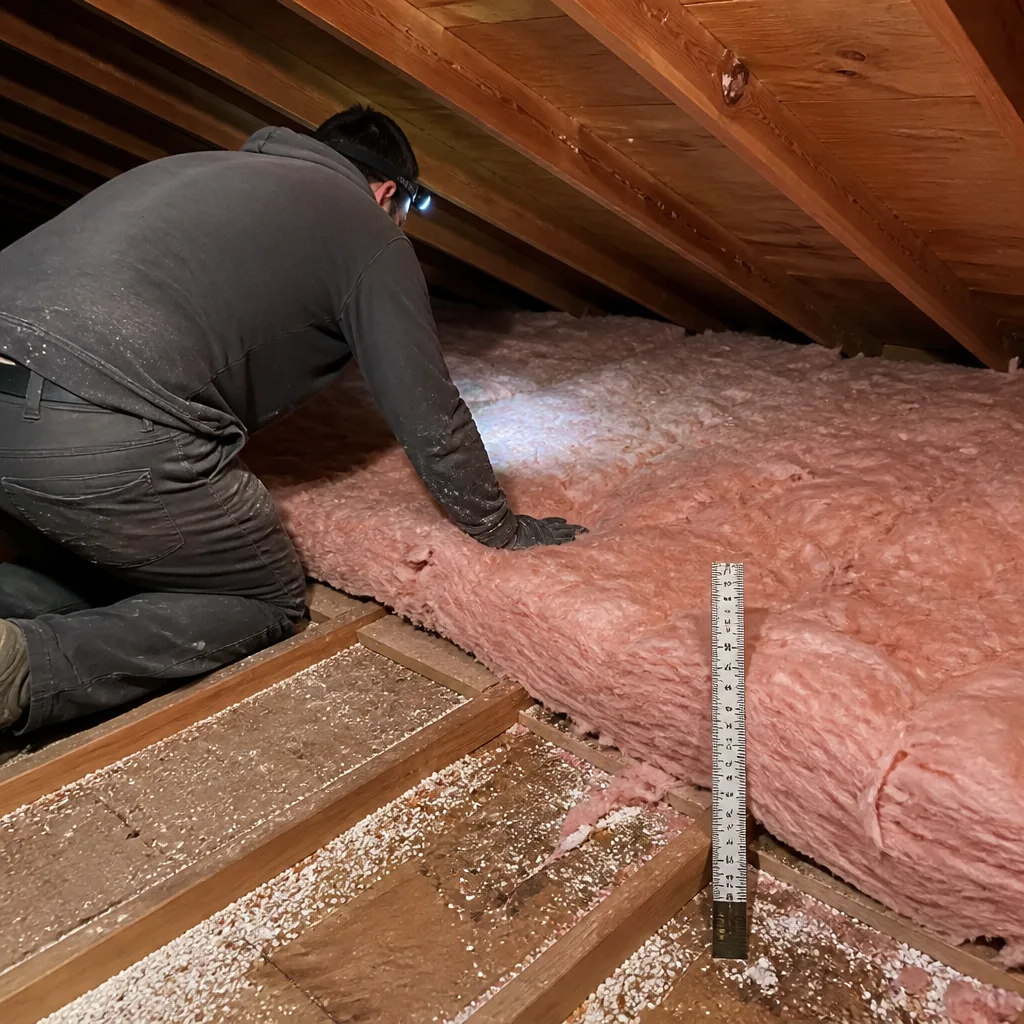
Garage ceilings in Woodside’s estate homes often separate conditioned space from an unconditioned garage below, or vice versa. The field vignette we see repeatedly: fiberglass batts installed in the 1970s or 1980s, now saturated and sagging from years of fog exposure through poorly sealed garage door perimeters and vented soffits. We remove the failed material, verify sheathing condition, and spec closed-cell spray foam to create a continuous air and thermal barrier. This is standard work for us in Woodside, where the garage is often a substantial structure attached to the main house.
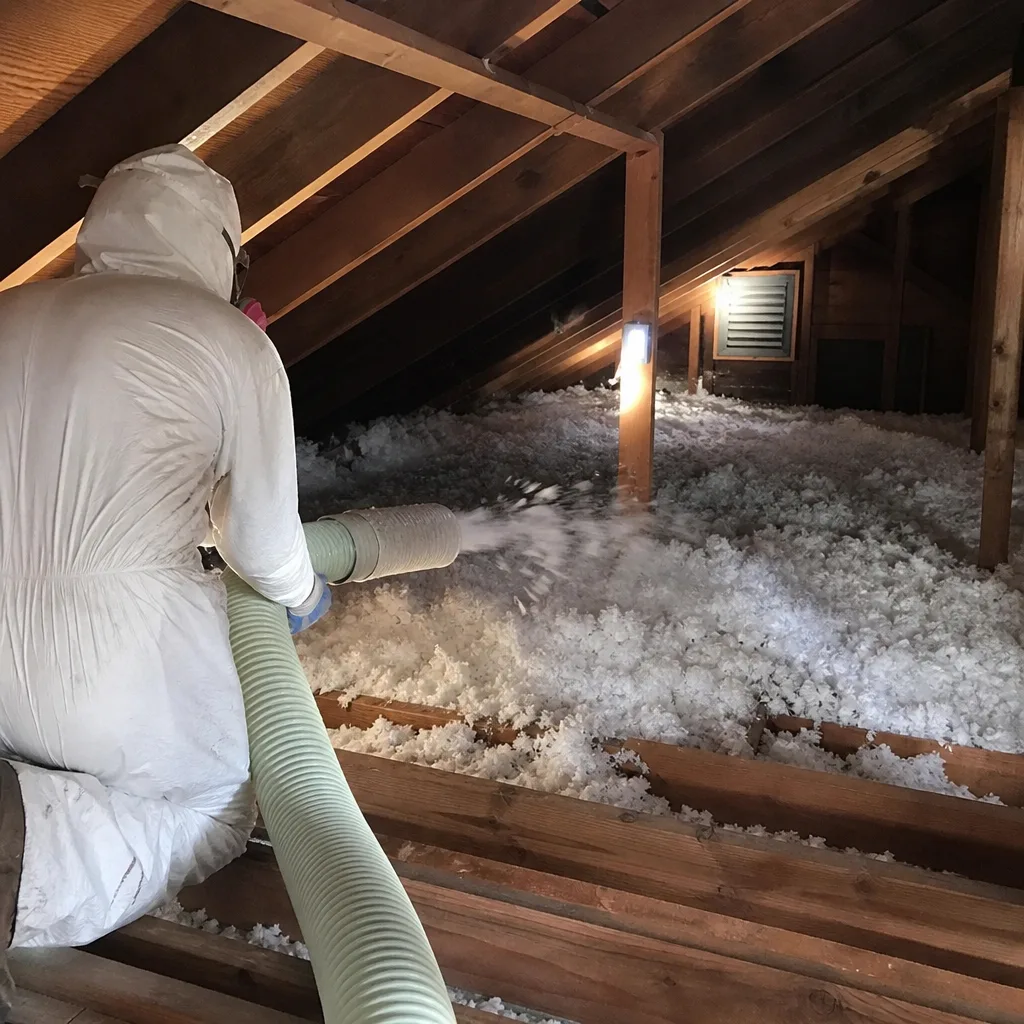
Spray Foam Roof Deck
Vaulted and cathedral ceilings are common in Woodside’s custom architecture, and insulating at the roof deck with spray foam creates conditioned attic space while preserving the interior volume. We use this approach where traditional attic floor insulation isn’t practical due to complex geometry or where HVAC ductwork runs through the attic. Material selection depends on whether the assembly needs vapor impermeability - closed-cell for north-facing exposures with fog risk, open-cell where drying to the interior is preferred and moisture loading is low.
What happens when you call
- 1
A real person answersNo phone trees - you reach a local pro.
- 2
You get an upfront price rangeHonest numbers before anyone is dispatched.
- 3
A background-checked tech heads outLicensed & insured, dispatched right away.
- 4
You approve before work beginsNothing starts until you say go.
Trusted Brands We Service in Woodside
We source spray foam materials from Owens Corning, Johns Manville, Knauf, and Icynene, among others - no proprietary product lock-in means we spec what the assembly actually needs. For Woodside’s moisture-critical applications, we typically reach for closed-cell products with established track records in marine climates. Our Bay Area warehouse stocks core materials for fast turnaround, and we coordinate deliveries to Woodside jobsites to avoid the scheduling delays that come with just-in-time ordering from distant distributors. You get the material that fits your building, not whatever we’re pushing this quarter.
Common Spray Foam Insulation Problems We See in Woodside Homes
- Fiberglass batts saturated on north-facing Westridge slopes. Standard fiberglass batts absorb moisture from prolonged fog saturation, sag within their cavities, and lose effective R-value long before their rated lifespan. We’ve pulled batts that were installed five years ago and already held 15% moisture by weight.
- Condensation inside uninsulated wall cavities on canyon exposures. The temperature differential between cool, fog-laden exterior sheathing and conditioned interior air drives condensation in empty wall cavities. We’ve documented mold and rot behind drywall in homes where the owner never knew the wall was hollow.
- Open-cell foam wicking ground moisture in hillside crawl spaces. Without proper drainage detailing and vapor control, open-cell spray foam in rim joists and crawl spaces over sloped terrain can become a moisture reservoir. We assess drainage before we spec any product below grade.
- Complex geometry defeating standard batt installations. Vaulted ceilings, irregular attic spaces, and substantial crawl spaces over sloped terrain are the norm in Woodside’s custom estates - not the exception. Batts leave gaps; spray foam conforms.
Pricing for Spray Foam Insulation in Woodside, CA
Most spray foam insulation jobs in Woodside fall within these ranges based on assembly type and accessibility:
| Application | Typical Range (Woodside) |
|---|---|
| Open-cell spray foam (walls, dry attics) | $1.20-$2.20 per board foot |
| Closed-cell spray foam (moisture-critical assemblies) | $2.80-$5.40 per board foot |
| Rim joist sealing (typical 2,500-4,000 sq ft home) | $1,800-$3,600 |
| Garage ceiling (standard 2-car attached) | $2,400-$4,800 |
| Whole-house attic (closed-cell, complex geometry) | $7,200-$14,000+ |
What moves you within these ranges: accessibility (steep hillside lots cost more to mobilize on), existing material removal, sheathing repairs from prior moisture damage, and whether air sealing is needed before foam application - which it almost always is. We don’t blow insulation over an unsealed attic floor. Every job starts with a written price, flat scope, and written warranty before anyone lifts a tool - Haven Standard Clause 1. Call (669) 259-0406 for your written estimate; our second opinion on any competing quote is free.
We Also Serve Cities Near Woodside
Our crews work throughout the San Francisco Bay Area, with regular jobs in Woodside as well as Mountain View, Los Altos, Sunnyvale, and Palo Alto. The building stock and climate conditions differ - flatter terrain, different fog patterns, more tract housing in some areas - and we adjust our specs accordingly rather than applying a one-size-fits-all approach.
Serving Woodside, CA - Our Local Coverage Area
We’re based in the Woodside area and know this community well. Use the map below to see our service coverage - if you’re nearby, we can almost certainly help.
FAQs - Spray Foam Insulation in Woodside
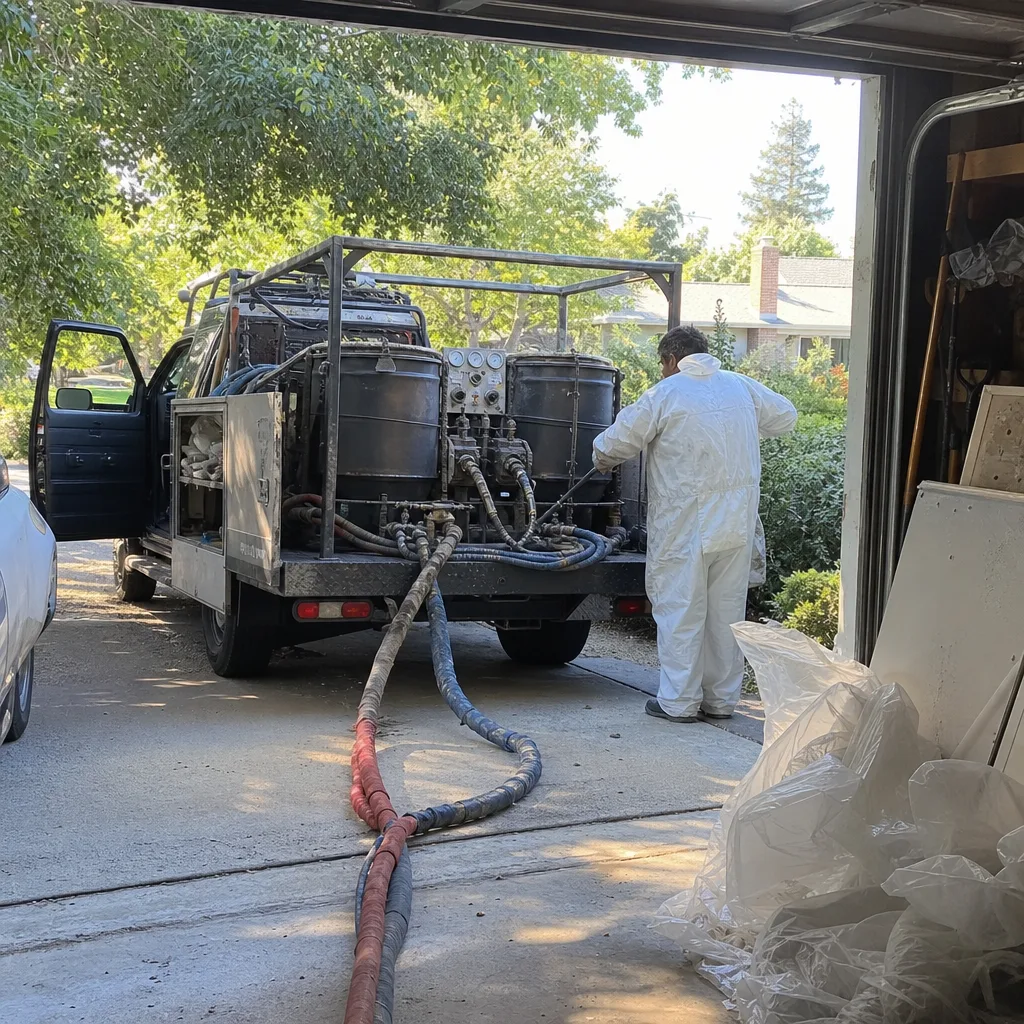
Closed-cell spray foam doesn’t absorb moisture, so it maintains its R-value and structural integrity where fiberglass batts saturate and sag. In Woodside’s marine fog belt, particularly on north-facing slopes in Westridge, fog can persist for days while fiberglass holds that moisture and loses effectiveness within a few years - a failure pattern we don’t see in drier flatland cities. Call (669) 259-0406 for a free assessment of your assembly.
Westridge and the north-facing canyon slopes above Emerald Lake Hills experience the most persistent fog saturation and consequently the highest rate of fiberglass batt failure. Stanford Weekend Acres sees similar issues in older homes with unsealed crawl spaces over sloped terrain. The pattern is elevation and exposure dependent, not random. We can identify your risk during a site visit.
Closed-cell is our default spec for any assembly exposed to Woodside’s marine moisture - roof decks, garage ceilings, rim joists, and exterior walls on north-facing slopes. Open-cell works in dry, vented attic spaces and for interior sound control where vapor drive is not a concern. We test and assess before recommending; the answer depends on your specific assembly, not a generic rule.
Woodside’s CAL FIRE Very High Fire Hazard Severity Zone designation creates real demand for fire-rated insulation materials as part of comprehensive wildfire-hardening. Closed-cell spray foam can be paired with ignition-resistant exterior assemblies and proper venting strategies to reduce ember intrusion paths. We coordinate with your overall hardening plan and can specify materials with appropriate fire performance ratings for your application.
Yes - spray foam expands to fill irregular cavities, making it the practical choice for the vaulted ceilings, complex rooflines, and sloped crawl spaces typical of Woodside’s custom estate homes built between the 1950s and 1970s. Batts leave gaps at hips, valleys, and penetrations; foam conforms. We document the coverage with photos, included on every job.
Written by Wes Okafor, Owner at Topside Attic Insulation Mountain View, serving Woodside since 2016 under The Haven Standard.