
Icynene Radiant Barrier Installation: The Mountain View Owner’s Guide
We stock and install Icynene-compatible radiant barrier systems in Mountain View, with most residential retrofits running between $2,800 and $4,600 for a typical 1,200-2,000 square foot attic space. Same-day installation is available when we have your roof geometry on file from a prior energy audit or site visit. Most Mountain View homeowners discover their radiant barrier is failing when upstairs rooms won’t cool below 78°F even with the AC running flat out, or when they spot sagging, torn, or dust-caked foil sheets in the attic during a routine inspection.
Which Icynene Models This Applies To
Icynene’s open-cell and closed-cell spray foam systems don’t ship with factory-installed radiant barriers - the barrier is a field-installed complement, not an integrated component. What we see in Mountain View attics, especially in the Rex Manor and Monta Loma neighborhoods, is Icynene foam applied to the roof deck paired with a standalone radiant barrier on the attic floor or the underside of the rafters. The critical compatibility point is the barrier’s emissivity rating against the foam’s cured surface; Icynene’s closed-cell product cures to a harder skin that accepts mechanical fastening well, while open-cell needs a different clip spacing to avoid tear-out.
We identify the right configuration by checking your original spray foam application thickness (usually marked on the job card or visible on the foam surface) and measuring the attic’s effective venting area. OEM-grade radiant barrier from Icynene’s approved suppliers runs about 15-20% higher than quality aftermarket equivalents from Reflectix, which we also stock. For most Mountain View homes, the aftermarket spec meets the same ASTM C1313 emissivity standard at a lower installed cost. The gotcha we run into: barriers installed before 2018 often used a perforated product that was later found to trap moisture against Icynene open-cell in coastal microclimates. We check for that on every walk-through.
Signs Your Icynene Radiant Barrier Installation Is Failing
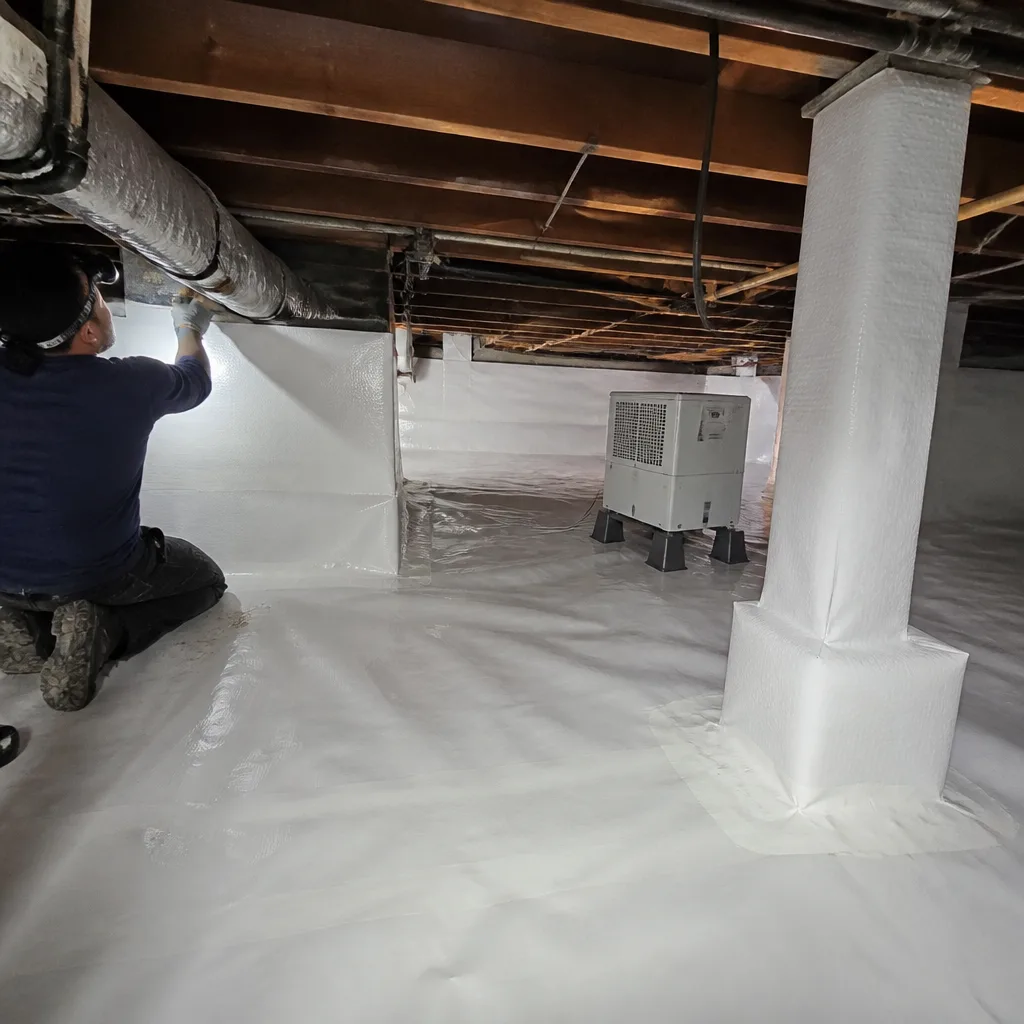
- Hot second-floor ceilings in afternoon sun. The barrier’s reflective surface has oxidized or accumulated a dust layer that pushes emissivity above 0.10, which means it’s no longer rejecting radiant heat. In Mountain View’s dry summers, dust alone can degrade performance 30-40% in three years without an attic cleaning.
- Visible tears, sagging, or detached sections. Icynene open-cell foam expands and contracts with temperature swings; if the barrier was fastened directly to the foam without allowance for movement, the mechanical stress tears the foil or pulls staples. We see this most often in homes near the Bay where morning fog and afternoon sun create wider delta-T cycles.
- Water staining on the barrier surface. Perforated barriers that were correct for the original insulation spec may have become wrong after a roof replacement changed venting patterns. Moisture that can’t escape condenses on the cool side of the foil and drips onto the attic floor.
- Energy bills climbing year-over-year with no rate change. When the barrier fails, the attic’s radiant heat load shifts to the Icynene foam and the HVAC ductwork. Your system runs longer to hold setpoint. We verify this with an infrared camera scan during our site visit.
- New mold or musty smell in attic spaces. A compromised barrier changes the moisture dynamics in the attic. Icynene is not a moisture barrier in its open-cell formulation; if the radiant barrier was doing that job and now isn’t, you get conditions that support mold on roof sheathing.
Replacement Cost & What’s Included
For a typical Mountain View home between 1,200 and 2,200 square feet of attic floor, Icynene-compatible radiant barrier installation runs $2,800-$4,600. The low end covers a straightforward attic-floor application with existing access and clear working space; the high end reflects complex roof geometry, steep pitches common in the Waverly Park hills, or the need to remove and dispose of a failed existing barrier.
That price includes the barrier material (we use ASTM C1313-certified product, either Icynene-spec or Reflectix equivalent), all mechanical fasteners rated for the substrate, perimeter sealing at walls and penetrations, and a post-installation inspection with photo documentation. Labor covers two technicians for a half-day on standard jobs. We don’t start work without a written price - Haven Standard Clause 1 - and every job carries our 365-Day Done Right Promise. The barrier itself carries a 10-year material warranty; our workmanship is guaranteed for one full year.
DIY or Call Us?
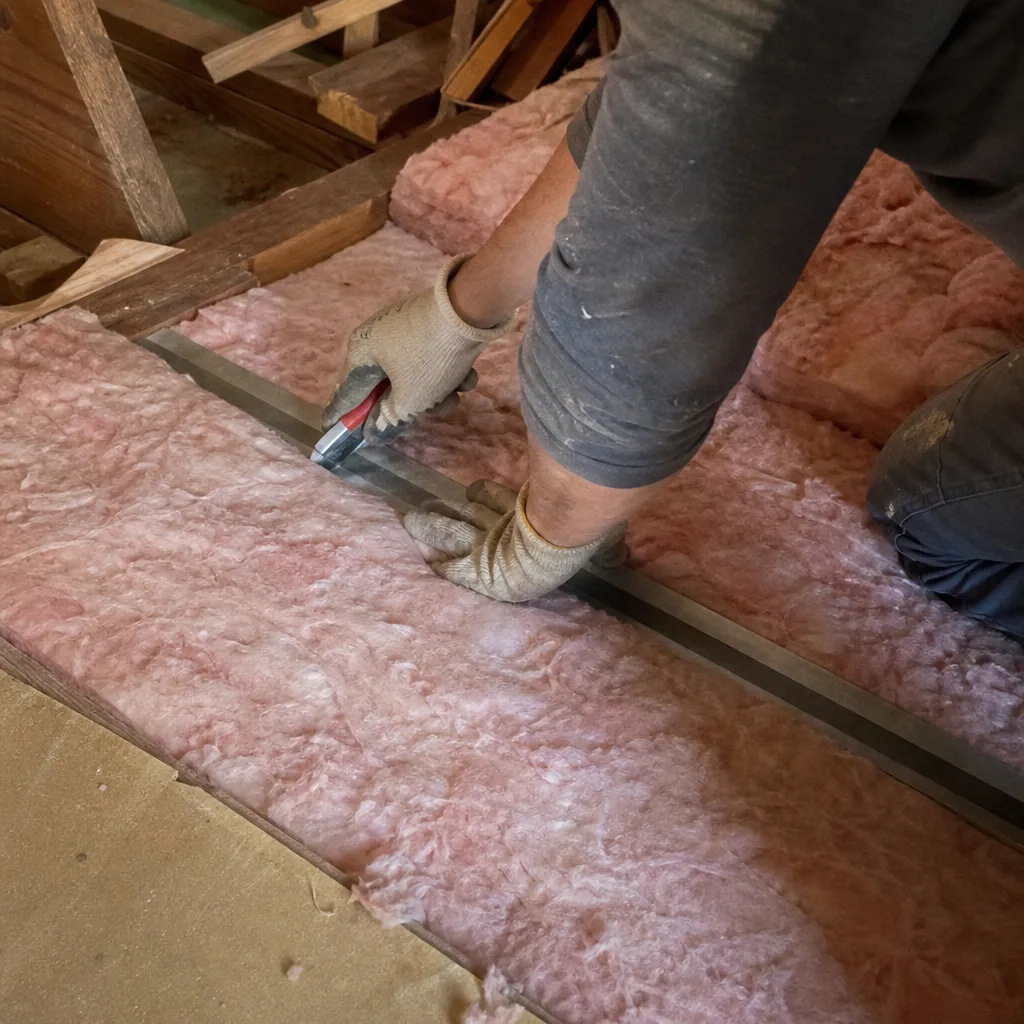
There’s no high-tension danger in radiant barrier work, but there are ways to waste money and create problems. A homeowner can safely check for visible damage from the attic hatch with a flashlight and phone camera, and can note any obvious tears or sagging to discuss with us. Where DIY goes wrong is in product selection and placement: installing a non-perforated barrier over Icynene open-cell in a vented attic traps moisture; fastening to the wrong side of the rafter bay reflects heat back into the roof deck and accelerates shingle aging; and working in attics during Mountain View’s summer heat is genuinely hazardous without hydration protocols and a spotter.
We carry Icynene-compatible barrier stock on our truck for Mountain View calls, and we sequence the job the way Wes Okafor has done it since his crew started working the Peninsula: seal the leaks first. The insulation has nowhere to go if the air does. Then we install the barrier with proper clearances and document the result. Call (669) 259-0406 for a written price before any work starts.
FAQs
Quality ASTM C1313 barrier in Mountain View’s dry, mild climate typically performs 15-20 years if the attic stays clean and vented. Dust accumulation is the main killer here, not humidity; we recommend an attic cleaning every 5-7 years if you have active soffit venting pulling particulates. Call (669) 259-0406 and we’ll include cleaning in your written estimate if it’s needed.
Patching works for isolated tears smaller than a dinner plate, but degraded or poorly installed barrier is usually cheaper to replace entirely than to chase multiple failure points. We don’t quote patch jobs without seeing the attic; bring us any written estimate and we’ll give you a free second opinion. Call (669) 259-0406 to schedule.
Most residential retrofits in Mountain View take one technician day for a crew of two, assuming standard attic access and no hazardous material concerns. Complex roofs or barrier removal add a half-day. We provide a written schedule with your price, and we text when the crew is en route.
We stock both Icynene-spec and Reflectix equivalent barrier on our Mountain View truck, and we can typically install within 48 hours of site visit for standard configurations. Custom cuts for unusual roof geometry add one business day. Call (669) 259-0406 to confirm current availability for your specific attic layout.
Written by Wes Okafor, Owner & Lead Insulation Technician, Topside Attic Insulation Mountain View at Topside Attic Insulation Mountain View, serving Mountain View and nearby areas.