
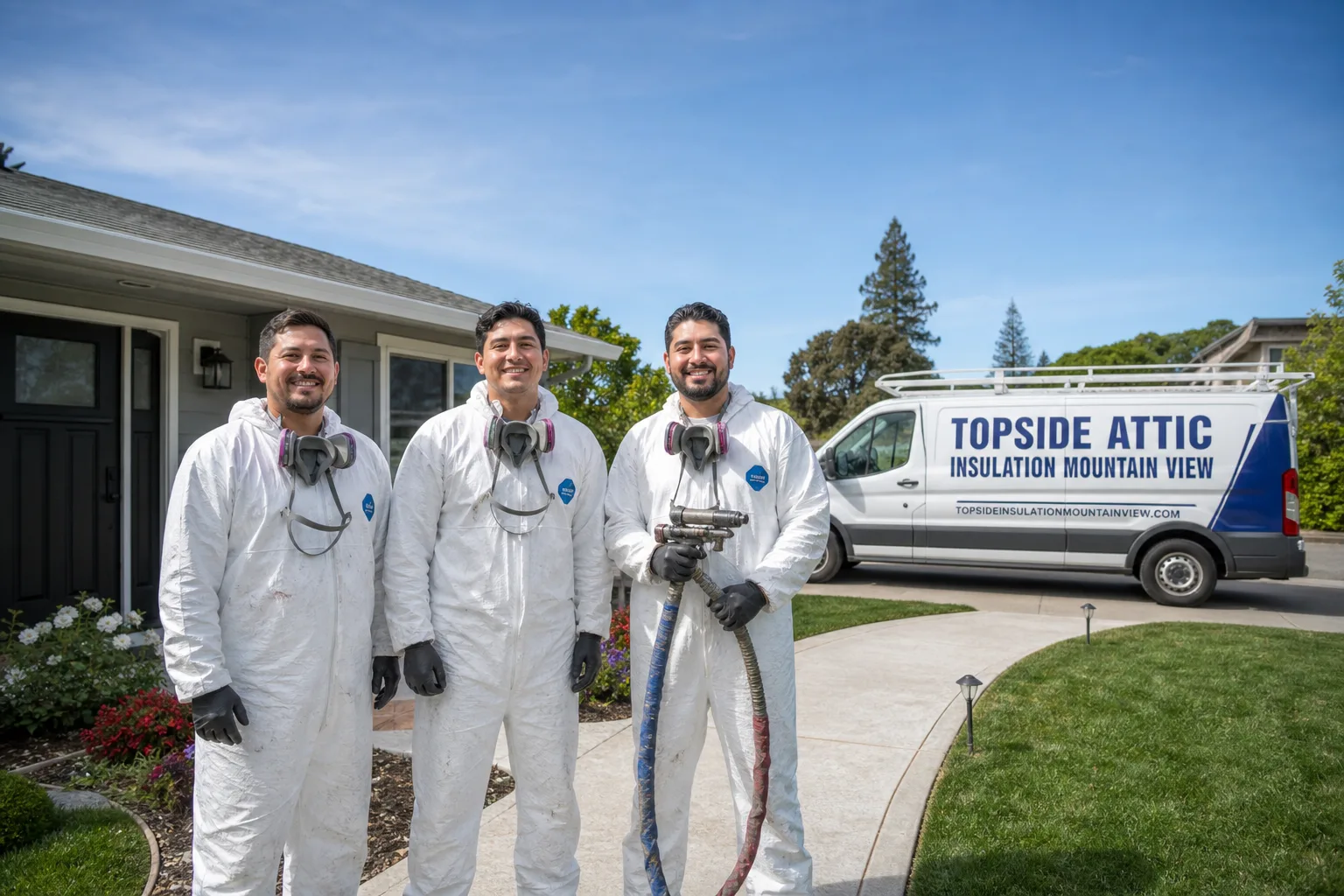
Fast, Reliable Blown-In Insulation Across Mountain View
Blown-in insulation in Mountain View typically runs $2.80-$5.40 per square foot depending on material and depth, with most single-story ranch retrofits falling between $3,200 and $6,800 for attic work plus air sealing. We’re usually on-site in Mountain View within 24-48 hours of your call, and same-day starts are common for jobs booked before noon. Our crews know the difference between a 1958 tract home off Middlefield Road and a downtown mixed-use build that needs Title 24 compliance paperwork - we bring the right material, the right blower, and the right documentation for whichever Mountain View property we’re walking into. Call (669) 259-0406 to book a free estimate with a written price before any work starts.
Why Topside Attic Insulation Mountain View Is Mountain View’s Preferred Blown-In Insulation Company
We’ve sealed and insulated over 9,000 homes since 2016, and a significant share of those have been in Mountain View’s post-war neighborhoods - the ranch homes between El Camino Real and the bay that were built fast for aerospace workers and insulated even faster. Our Mountain View customers leave reviews that mention the blower-door printout we leave behind, not how friendly we were. That documentation matters here.
Response time to Mountain View averages same-day or next-morning because our Bay Area dispatch coordinates crews locally - no one is driving from Sacramento or Stockton to reach a Shoreline Boulevard crawl space. We know which permits pull same-day through Mountain View’s building department and which jobs need a Title 24 HERS rater sign-off before we can close out.
Our Blown-In Insulation team treats air sealing as a hard prerequisite, not an upsell. In Mountain View’s Climate Zone 4, that distinction isn’t academic - the marine layer will find every unsealed top plate and make your new insulation underperform within a season if someone skips the prep.
Our Blown-In Insulation Services in Mountain View
Blown-In Cellulose
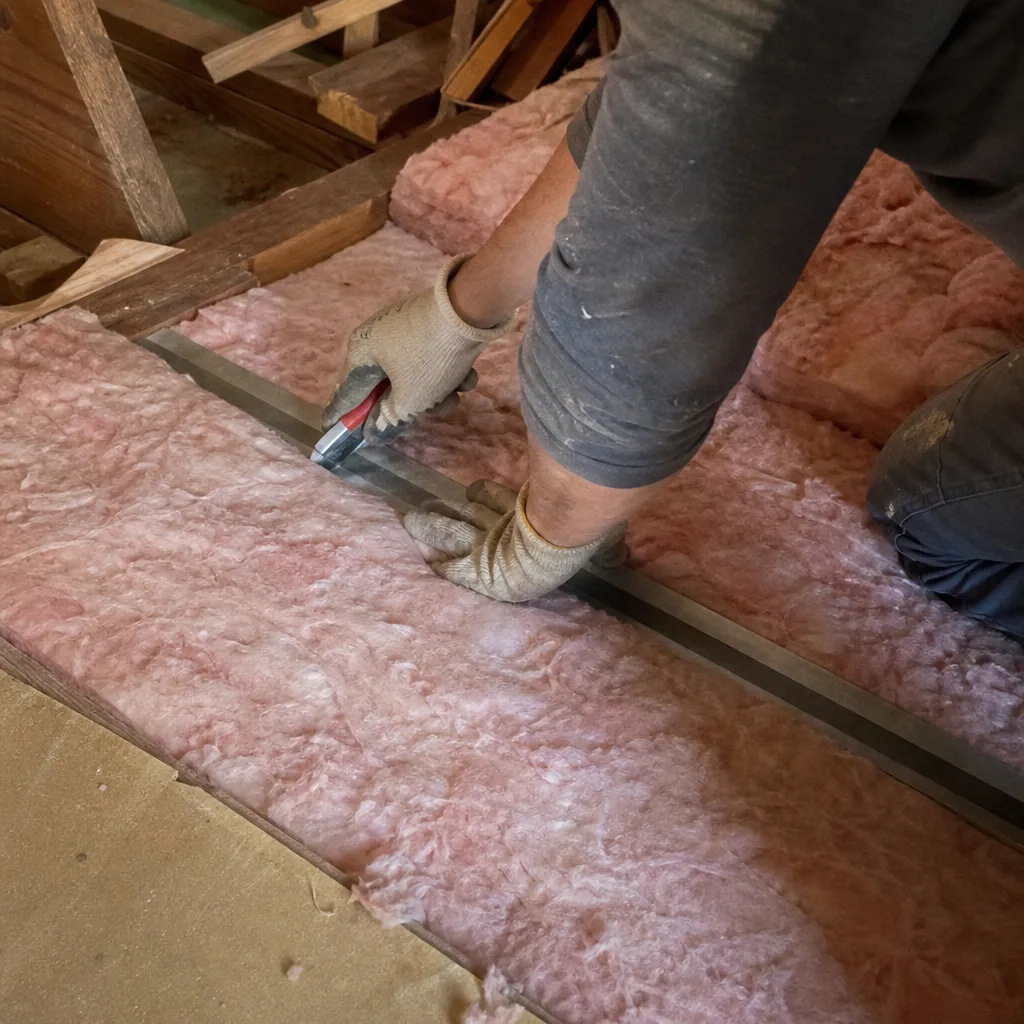
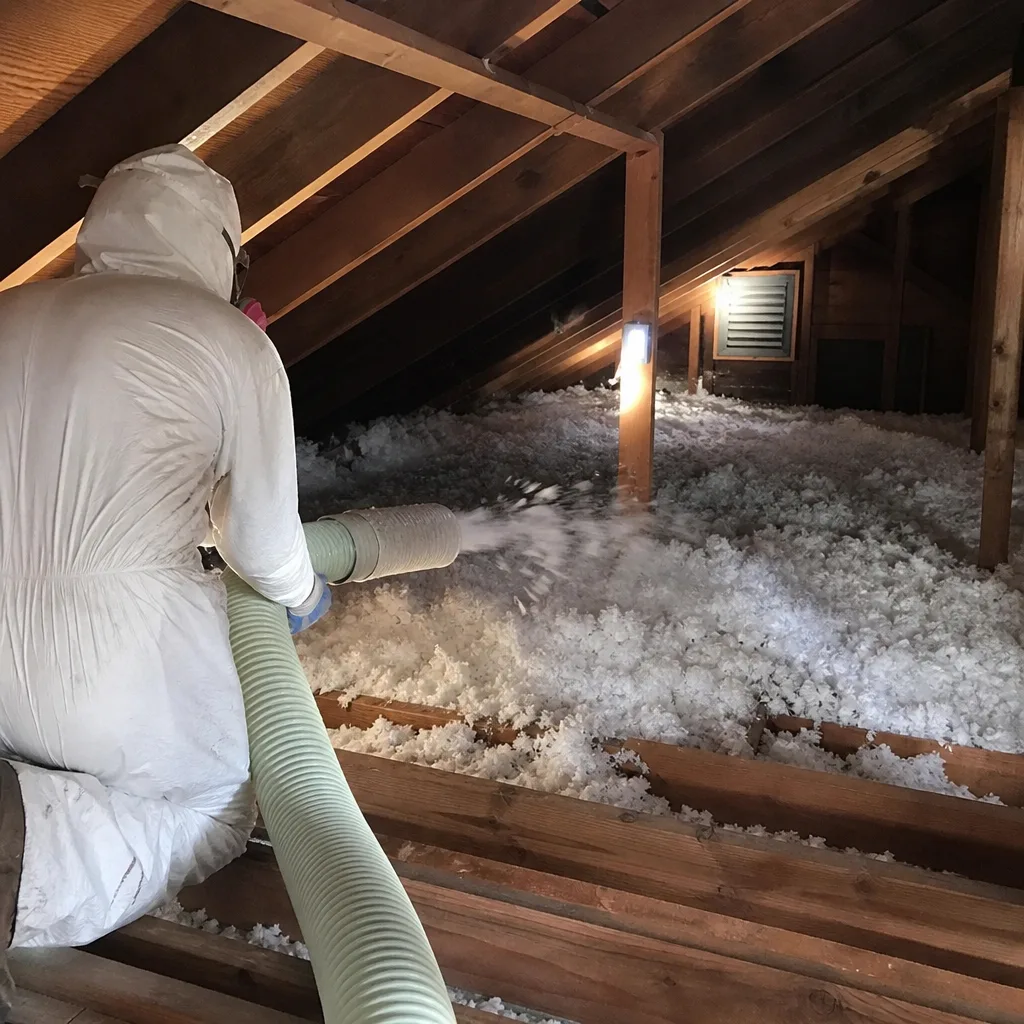
We specify GreenFiber cellulose for most Mountain View attic retrofits because it handles the damp marine-layer mornings better than fiberglass when air sealing isn’t perfect - which it rarely is in a 1960s ranch with original top plates. Cellulose packs tighter around irregular framing, settles less over time, and carries a Class 1 fire rating with borate treatment that deters the rodent activity we see frequently in Old Mountain View’s mature-tree canopy. A typical blown-in cellulose attic job in Mountain View runs $3,200-$5,400 for a 1,200-square-foot footprint, including air sealing of can lights, top plates, and penetrations before the blower truck arrives.
Blown-In Fiberglass
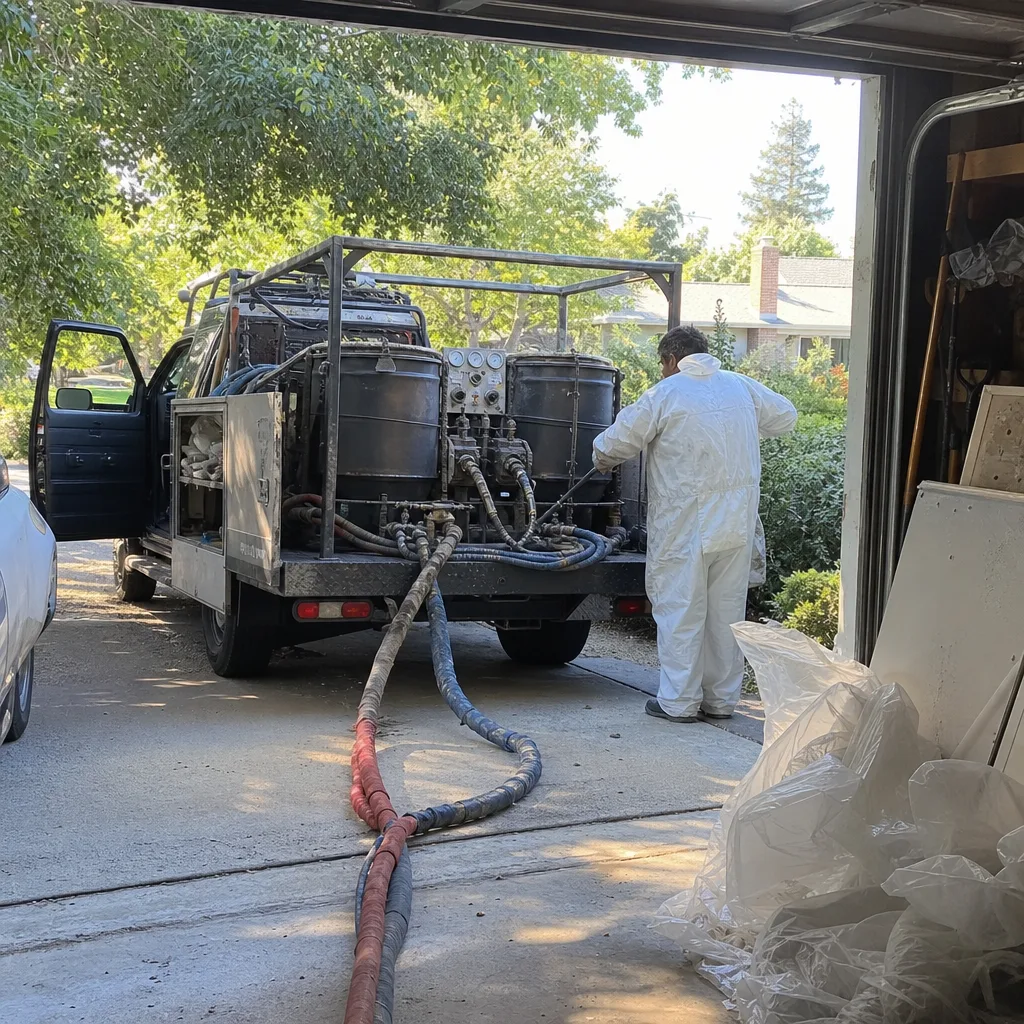
We stock Owens Corning and Johns Manville fiberglass for Mountain View customers who need maximum R-value per inch in shallow attic bays or who’ve already addressed moisture at the crawl space. Fiberglass doesn’t absorb moisture the way cellulose can, so it’s our call for homes where we’ve already sealed rim joists with closed-cell foam and verified dryness with a moisture meter. In the drier, inland-leaning parts of Mountain View near Grant Road, fiberglass often makes sense. Pricing runs comparable to cellulose, sometimes 10-15% less material cost but with comparable installed price once labor and air sealing are factored.
Dense-Pack Wall Insulation
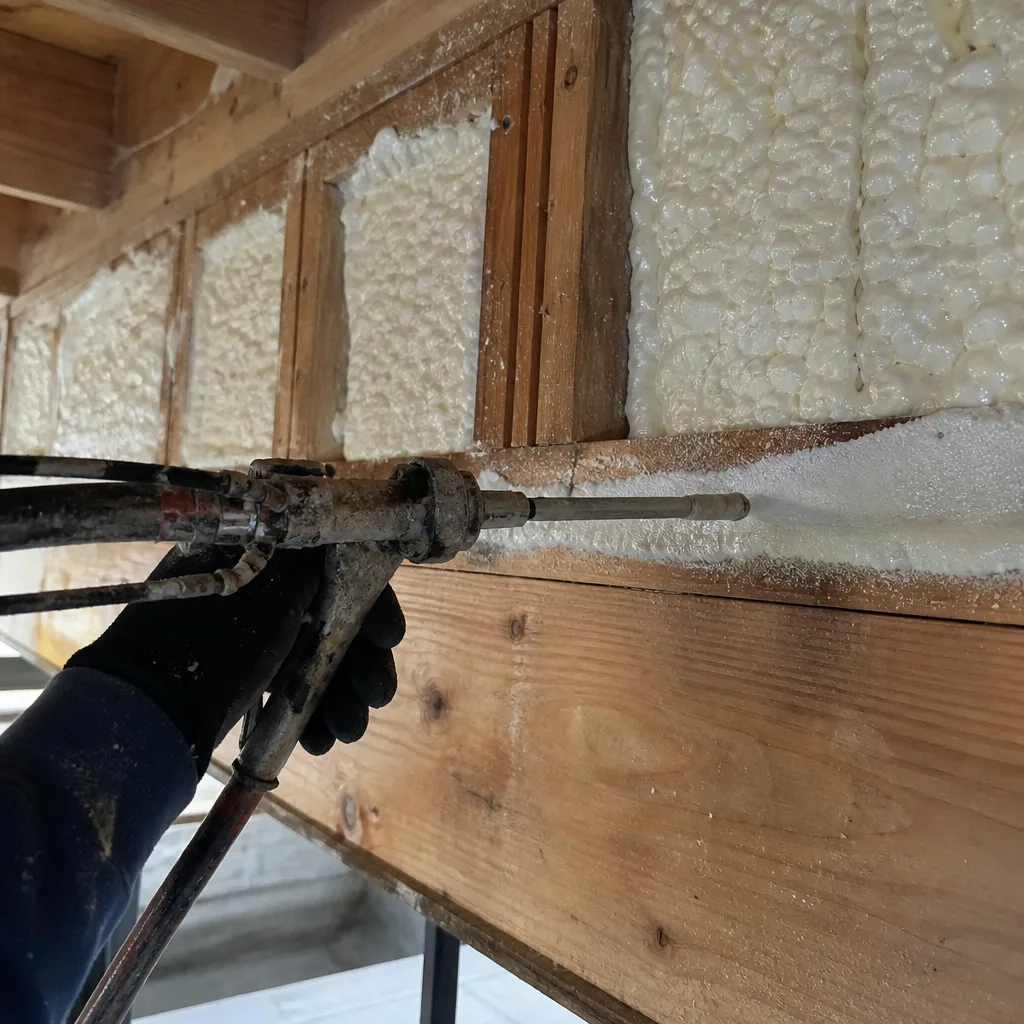
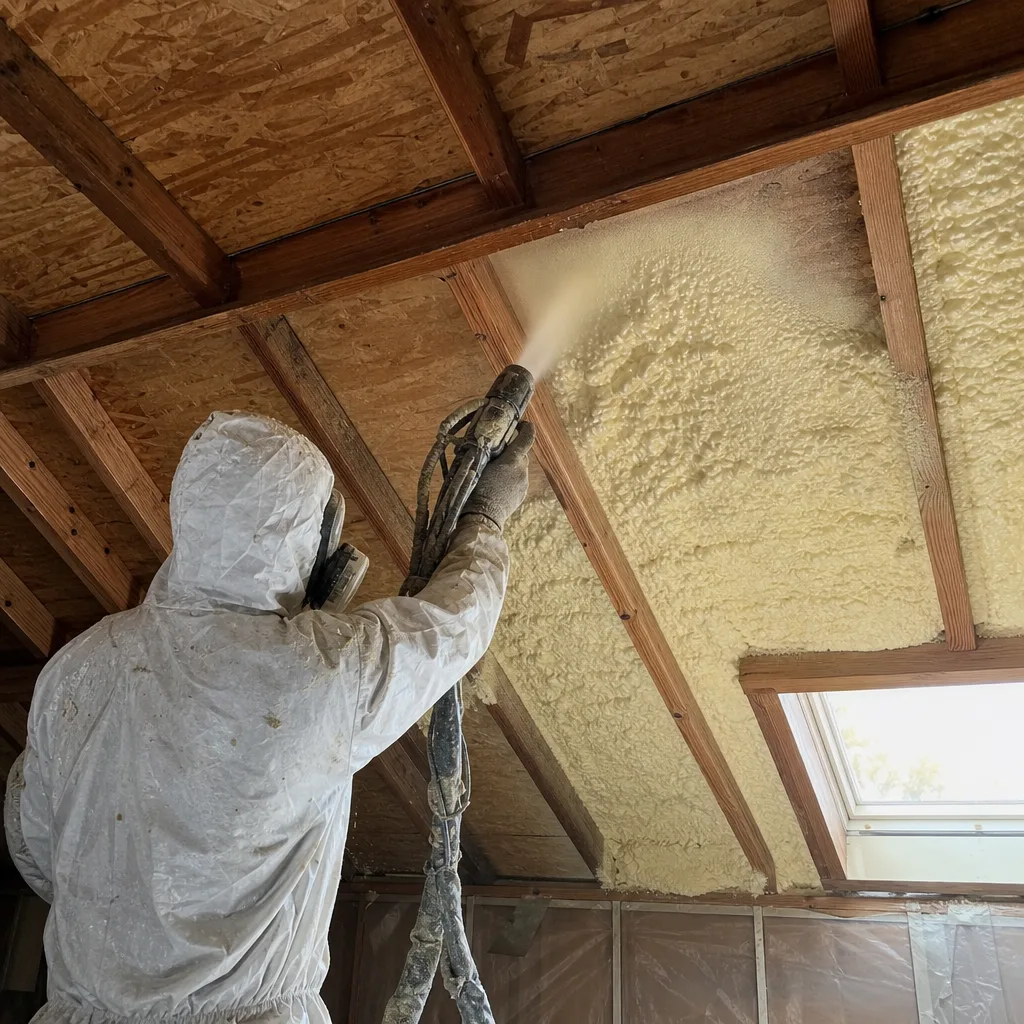
This is where Mountain View’s housing stock gets specific. Those 2×4 walls in your 1955 ranch off El Camino Real? They were likely built with no insulation at all, or with batts that settled into a useless strip at the bottom of the cavity within a decade. Dense-packing - blowing cellulose at 3.5 pounds per cubic foot into closed wall cavities through strategic access holes - fills every stud bay completely, eliminating the convection loops that make uninsulated walls feel cold despite a warm attic above. We dense-pack walls on roughly half our Mountain View retrofits, typically adding $2,800-$4,600 to a job depending on linear footage and interior finish repair scope. The walls stop acting like radiators into the marine air.
Blown-In Top-Up
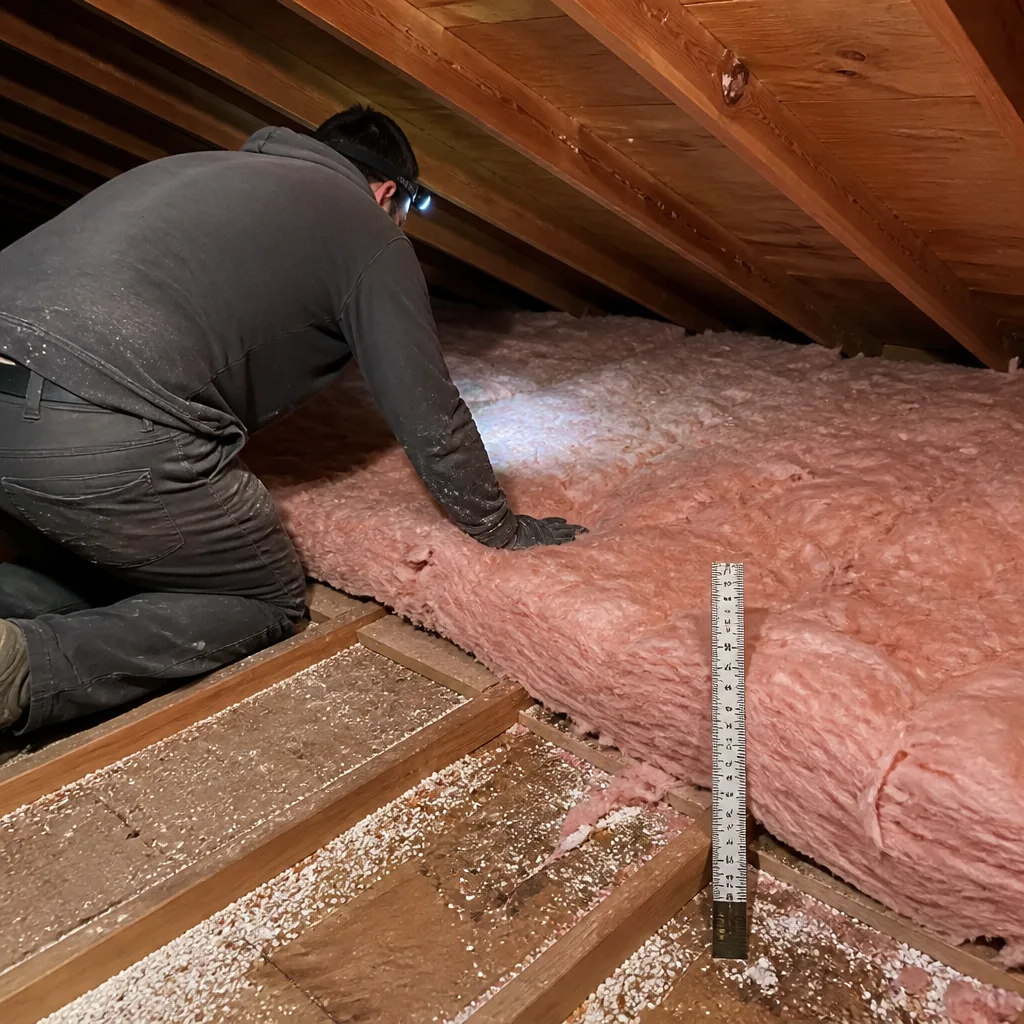
Sometimes the attic has insulation, just not enough. Original batts compressed to R-11 or R-19 don’t meet current Title 24 Zone 4 targets, and topping up with blown material is faster than full removal. But we’re direct about this: a top-up without air sealing is throwing good material at a leaky envelope. We won’t do it. Our top-up jobs in Mountain View include blower-door-guided air sealing first, then blown cellulose or fiberglass to bring the assembly to R-38 or R-49 depending on accessible depth. Top-ups run $1,800-$3,400 for typical ranch footprints.
What happens when you call
- 1
A real person answersNo phone trees - you reach a local pro.
- 2
You get an upfront price rangeHonest numbers before anyone is dispatched.
- 3
A background-checked tech heads outLicensed & insured, dispatched right away.
- 4
You approve before work beginsNothing starts until you say go.
Trusted Brands We Service in Mountain View
We source from Owens Corning, Johns Manville, Knauf, and Rockwool - plus Reflectix repair in Mountain View when radiant barriers are called for - with no proprietary lock-in, no house brand we push for margin. For Mountain View’s specific conditions, we keep GreenFiber cellulose and Owens Corning fiberglass stocked locally so we’re not waiting on a distributor run from San Jose when a Shoreline homeowner has a signed scope and a crew scheduled. That local inventory is part of why we hit our start dates. Every bag lot is documented in your job record with manufacture date and R-value verification, same as every other material we install under The Haven Standard.
Common Blown-In Insulation Problems We See in Mountain View Homes
- Salt-eaten batts in Shoreline and North Bayshore crawl spaces. The chronic ground-level fog and salt-laden marine air in these zones degrades fiberglass batts unusually fast, leaving rim joists exposed and floors cold despite nominal R-value. We pull the failing material and specify closed-cell spray foam at rim joists before any blown-in work proceeds.
- Hidden air channels in 2×4 walls that were never insulated. Post-war ranch homes throughout Mountain View were built with empty wall cavities or batts that settled into useless strips. Blowing top-up into the attic alone leaves the damp marine-layer infiltration untouched - the walls keep acting as thermal bridges.
- Out-of-town crews skipping air sealing. Rushed contractors who treat Mountain View like inland San Jose blow material over unsealed attic floors. The north-end fog finds every unsealed top plate and can light, and the new insulation underperforms within one season. We measure before and after with a blower-door test so you can see the difference.
- Moisture-blind material selection. Installing fiberglass in a crawl space that sees regular fog intrusion traps moisture against the subfloor. We test with a moisture meter before specifying material, and we won’t install anything that sets up a condensation failure.
Pricing for Blown-In Insulation in Mountain View, CA
Most blown-in insulation jobs in Mountain View fall into these ranges, including air sealing and material:
| Service | Typical Range | What Drives Cost |
|---|---|---|
| Attic blown-in cellulose or fiberglass (air sealing included) | $3,200 - $6,800 | Attic square footage, existing removal needs, accessibility |
| Dense-pack wall insulation | $2,800 - $4,600 | Linear feet of wall, interior finish repair scope, cavity condition |
| Blown-in top-up over existing insulation | $1,800 - $3,400 | Target R-value, air sealing extent, material type |
| Crawl space rim joist sealing with closed-cell foam (north-end homes) | $1,600 - $3,200 | Linear feet of rim joist, access difficulty, moisture remediation needs |
These are installed prices with labor, material, and our standard air sealing package. What moves a job to the high end: extensive existing insulation removal, active rodent damage requiring cleaning and proofing before installation, or hard-to-access attics with limited hatch clearance. We provide a written price before any work starts - Haven Standard Clause 1 - and a free second opinion on any competing written estimate. Call (669) 259-0406 for your specific quote.
We Also Serve Cities Near Mountain View
Our crews work throughout the Peninsula and South Bay, including Blown-In Insulation in Mountain View and surrounding Los Altos, Sunnyvale, Cupertino, and Palo Alto. Each city gets the same documented process: written price first, blower-door verification where applicable, and a photo record delivered at completion. Mountain View’s specific marine-layer conditions differ from inland Sunnyvale’s drier exposure, so we adjust material specs accordingly - what’s right for a Shoreline ranch isn’t automatically right for a Los Altos Hills property above the fog line.
Serving Mountain View, CA - Our Local Coverage Area
We’re based in the Mountain View area and know this community well. Use the map below to see our service coverage - if you’re nearby, we can almost certainly help.
FAQs - Blown-In Insulation in Mountain View
Because salt-laden marine fog degrades fiberglass batts prematurely in these zones, and once the batt fails, the rim joist is exposed to continuous moisture intrusion. Spray Foam Insulation in Mountain View adheres directly to the rim joist, creating both an air barrier and a vapor retarder in one application - it doesn’t sag, doesn’t absorb moisture, and doesn’t provide nesting material for rodents. We specify this on north-end Mountain View jobs after verifying moisture conditions with a meter, not as a default upsell. Call (669) 259-0406 and we’ll walk your crawl space with you.
A top-up alone will improve attic performance but won’t stop your walls from acting as thermal bridges if they’re empty or settled. We blower-door test first to quantify how much air is moving through the wall cavities - in many Mountain View ranches, it’s 30-40% of total envelope leakage. If the walls are uninsulated, we recommend dense-packing before or concurrent with attic work; the comfort difference is immediate, especially on damp mornings when uninsulated walls feel cold to the touch despite a warm thermostat setting. Your written scope will break out both options with separate pricing so you can decide.
Yes - Title 24 Zone 4 prioritizes air sealing and infiltration control over extreme R-value stacking because the marine climate here is moderate but persistently damp. We target R-38 to R-49 in Mountain View attics rather than the R-60+ you’d see in true heating climates, but we spend more labor hours on sealing top plates, can lights, and penetrations. The Zone 4 compliance forms we file for new construction and major remodel work reflect this balance. Your final documentation includes the R-value achieved and the blower-door reduction percentage.
Downtown Mountain View’s newer construction must meet current Title 24 standards from the outset, so our work there is typically compliance verification, deficiency correction, or acoustic insulation upgrades between units - we document with HERS rater coordination and file the Certificate of Completion. Ranch retrofits are the inverse: no existing compliance baseline, often no original wall insulation, and a homeowner who wants performance documentation for their own decision-making rather than code enforcement. We bring different equipment, different material specs, and different paperwork for each. Our Mountain View crew schedules ranch jobs for morning starts when truck parking is easier on residential streets, and downtown jobs for times that align with building management access protocols.
Cellulose handles incidental moisture better than fiberglass because it can absorb and release small amounts of vapor without losing its R-value or structural integrity - fiberglass mats collapse and separate when wet. That said, neither material is a substitute for proper air sealing and moisture control at the source. We specify cellulose in Mountain View attics because the marine layer creates conditions where imperfect air sealing is almost guaranteed in older homes, and cellulose is more forgiving of minor infiltration. We still seal everything we can reach first. The cellulose we install is borate-treated for fire resistance and pest deterrence, which matters in Mountain View’s mature neighborhoods where roof rats are active.
Ready to see what your home’s blower-door number looks like before and after? Call (669) 259-0406 for a free estimate with a written price before any work starts. We’ll walk your attic or crawl space, explain what we find, and leave you with a scope you can compare - or have us match against any competing written quote under our free second opinion.
Written by Wes Okafor, Owner at Envelope Insulation Co., serving Mountain View and the Bay Area since 2016.