
Icynene Attic Cleaning & Rodent Proofing in Mountain View: What to Know First
We provide independent Icynene attic cleaning and rodent proofing in Mountain View, typically completing most jobs same-day or next-day with a written price before any work starts. Most attic cleaning and rodent proofing jobs on Icynene systems in Mountain View run between $1,800 and $4,200 depending on contamination level, accessibility, and whether the foam needs selective removal. We’re not Icynene-authorized; we’re an independent service provider who has worked on Icynene open-cell and closed-cell installations across the Peninsula since 2016. This page is for homeowners in Mountain View, Los Altos, and Sunnyvale who need rodent-damaged Icynene foam removed, the attic sanitized, and the structure properly sealed against re-entry. Call (669) 259-0406 for a free estimate with a written scope.
How Icynene Products Fail - and How We Fix Them
- Icynene Classic Max (open-cell) - rodent nesting and compression damage. Classic Max’s semi-rigid structure makes attractive nesting cavities once rodents chew entry holes through adjacent drywall or soffits. The foam doesn’t deteriorate on its own, but rodent waste saturates the upper surface and compresses the cells where traffic is heaviest. We remove contaminated sections with hot-knife precision, HEPA-vacuum the residue, and treat exposed wood with an enzyme decontaminant before sealing entry points with galvanized steel mesh and copper wool.
- Icynene MD-R-200 (closed-cell) - moisture trapping at the foam-deck interface. MD-R-200’s impermeable skin is an asset until rodents breach the attic envelope and introduce urine that can’t dry outward. In Mountain View’s marine-influenced climate, that trapped moisture promotes mold on the underside of roof decking, especially north-facing pitches in neighborhoods like Rex Manor and Monta Loma where morning fog lingers. We remove affected foam in controlled sections, treat the deck with antimicrobial, and verify dryness with a pinless moisture meter before any replacement material goes in.
- Icynene LD-C-50 (low-density open-cell) - dust and allergen accumulation in exposed applications. LD-C-50’s rougher cell structure catches airborne particulates when attic HVAC ducts leak or when rodents disturb insulation elsewhere. Homeowners in older Mountain View tract homes near Whisman report musty airflow from ceiling registers even when the foam itself looks intact. We clean the surface with contact vacuums and soft brushes, then seal duct boots and top plates to stop the particulate source rather than masking it.
- Icynene H2Foam Lite (water-blown closed-cell) - thermal drift after partial rodent removal by prior contractors. H2Foam Lite relies on complete envelope continuity; when a handyman pulls out “the bad spots” and leaves gaps, convection loops form that show up as cold stripes on thermal imaging. We map the full cavity with a FLIR camera, remove only what’s necessary, and restore continuity with matching-density material or transition detailing to adjacent substrates.
- Icynene spray foam around recessed can lights - code-violation entries that rodents exploit. Early Icynene installations in Mountain View’s 1960s-1980s housing stock often encased non-IC-rated cans directly, creating both fire hazard and chew-through vulnerability as rodents follow the warm air plume. We cut back foam from fixtures, install proper fire-rated covers, air-seal with firestop caulk, and rodent-proof the assembly so it meets current Title 24 and pest-control standards.
Our Icynene Attic Cleaning & Rodent Proofing Process
- 1
Inspection and documentation. We photograph the full attic, note Icynene product type and installation date where visible, and run a blower-door test if the homeowner has concerns about envelope performance. You get the photo record before we touch anything.
- 2
Written scope and price. Under Haven Standard Clause 1, we deliver a flat price with line-item tasks - foam removal area, decontamination square footage, entry-point sealing count, and any replacement insulation specified. No work starts without your signature.
- 3
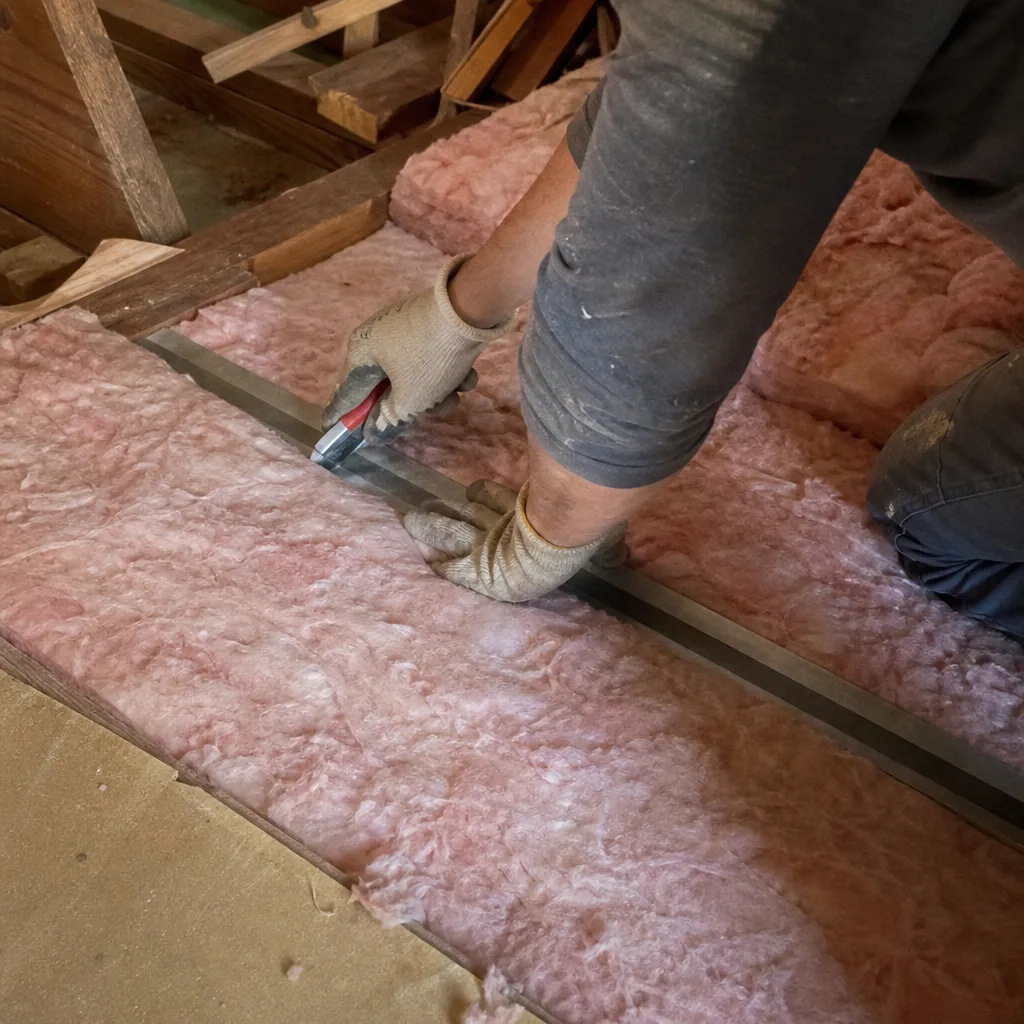
Controlled foam removal. We use hot-knife cutting for Icynene products to minimize airborne particulate, differentiating between salvageable foam and contaminated sections. Removed material is bagged in the attic, never dragged through living space.
- 4
Decontamination and structural repair. Enzyme treatment on affected substrates, moisture verification, and repair of chewed wiring or damaged ductwork as scoped. Entry points are sealed with rodent-proof materials, not spray foam alone - rodents chew through uncured foam in 48 hours.
- 5
Replacement and air-sealing. Where foam is removed, we restore thermal and air barriers with appropriate materials, air-seal all penetrations at the attic floor, and run post-work blower-door comparison if applicable. Seal the leaks first. The insulation has nowhere to go if the air does.
- 6
Final documentation and warranty. Documented Photo Record delivered, written warranty under our 365-Day Done Right Promise, and before-and-after blower-door numbers on jobs where sealing was performed.
What Icynene Attic Cleaning & Rodent Proofing Costs in Mountain View
| Scenario | Typical Range |
|---|---|
| Light rodent proofing, no foam removal (sealing entry points, minor cleaning) | $1,800 - $2,800 |
| Moderate contamination, selective Icynene removal under 200 sq ft, sanitizing | $2,800 - $4,200 |
| Heavy contamination, full attic cleanout, extensive foam removal, re-insulation | $4,200 - $7,500 |
| Post-removal air sealing and blower-door verification | $800 - $1,800 additional |
Price movers: attic square footage, roof pitch and accessibility, extent of Icynene removal required, whether HVAC ducts need repair, and whether the home needs temporary relocation of stored items. We also service Reflectix radiant barrier systems where those are present in the same attic. Every estimate is free, written, and valid for 30 days. Call (669) 259-0406 to schedule.
Why Mountain View Homeowners Call Topside Attic Insulation Mountain View for Icynene Work
We’ve been in Mountain View attics since 2016, and we’ve learned that Icynene jobs go wrong when the contractor treats spray foam like it can be patched like drywall. It can’t. Wes Okafor sequences every job the same way he learned on the Peninsula: seal the air leaks first, remove only what’s contaminated, verify the structure is sound, then restore the thermal barrier. Our 365-Day Done Right Promise means if rodents re-enter through our work, we return and fix it. Calls are answered by a live person 24/7, and our technicians are background-checked and uniformed. We carry Owens Corning, Johns Manville, Knauf, Rockwool, CertainTeed, Icynene, Demilec, and GreenFiber materials - no lock-in to a single product line. Bring us any written estimate for a free second opinion; we’ll read it with you.
FAQs
Icynene’s material warranty covers product defect, not damage from rodents or improper modification by third parties. As an independent Icynene service provider, we document our removal and replacement methods so any future warranty claim on remaining original foam can be supported with photo evidence of proper handling. Call (669) 259-0406 if you need help understanding your original warranty paperwork.
Yes - we calculate the required thickness of alternative materials to meet or exceed the original assembly R-value, and we note the substitution in your written scope. In Mountain View’s climate zone, open-cell Icynene at 5.5 inches is typically R-19; we can achieve equivalent performance with blown-in cellulose at greater depth or closed-cell alternatives at reduced thickness, depending on cavity geometry.
We schedule Icynene attic cleaning and rodent proofing within 24-48 hours for active infestations, with same-day availability for severe cases where HVAC contamination is suspected. A live person answers (669) 259-0406 around the clock to triage urgency and book the earliest opening.
Spot repair is cost-effective when less than 15% of the foam area is affected and the remaining material passes adhesion and density testing. We recommend full removal when contamination is widespread, when multiple rodent entry points indicate systemic envelope failure, or when the original installation predates 2010 and shows the thermal drift common to early water-blown formulations. Our written scope presents both options with honest lifecycle math.
We source Icynene products when the job scope calls for matched material, but we also install compatible closed-cell and open-cell alternatives from Demilec and other manufacturers where appropriate. We never claim exclusive or preferred status with any brand, and we disclose the specific product in your written price before work starts.
Written by Wes Okafor, Owner & Lead Insulation Technician, Topside Attic Insulation Mountain View at Topside Attic Insulation Mountain View, serving Mountain View and nearby areas.