
Owens Corning Crawl Space Encapsulation: The Mountain View Owner’s Guide
We stock and install Owens Corning-compatible crawl space encapsulation systems in Mountain View, with most complete jobs running $4,200-$7,800 depending on square footage and whether the foundation needs active dehumidification tied into the vapor barrier. Same-day assessment is available, and we carry 12-mil and 20-mil reinforced polyethylene barriers on the truck along with Owens Corning Foamular rigid foam board in common thicknesses. Most Mountain View homeowners discover their encapsulation has failed when they notice a sharp musty smell returning after months of absence, or when their spring PG&E bill jumps without explanation - usually because the vapor barrier has torn at a seam or the tape has degraded where the polyethylene meets the foundation wall.
Which Owens Corning Models This Applies To
Owens Corning does not manufacture a monolithic “crawl space encapsulation system” under a single model name. Instead, the brand’s components are specified by part number and application: Foamular NGX (Next Generation XPS) rigid insulation boards in 1-inch, 1.5-inch, and 2-inch thicknesses; ProPink loose-fill fiberglass for band joist cavities; and the Owens Corning EnergyComplete flexible sealant for gaps and penetrations. The critical compatibility gotcha in Mountain View’s older Ranch-style homes, particularly around Rex Manor and Monta Loma, is that pre-1980 foundation walls often have irregular surface texture that prevents standard tape adhesion - we see this on roughly one in three jobs. For these, we switch to a butyl-based seam tape rather than the acrylic adhesive that ships with most barrier kits. OEM Owens Corning Foamular carries the pink color coding and a stated R-5 per inch at 75°F mean temperature; aftermarket XPS from other suppliers matches the thermal performance but may lack the long-term compressive strength rating (25 psi for Foamular 250) that matters if your crawl space sees occasional foot traffic or storage loads.
Signs Your Owens Corning Crawl Space Encapsulation Is Failing
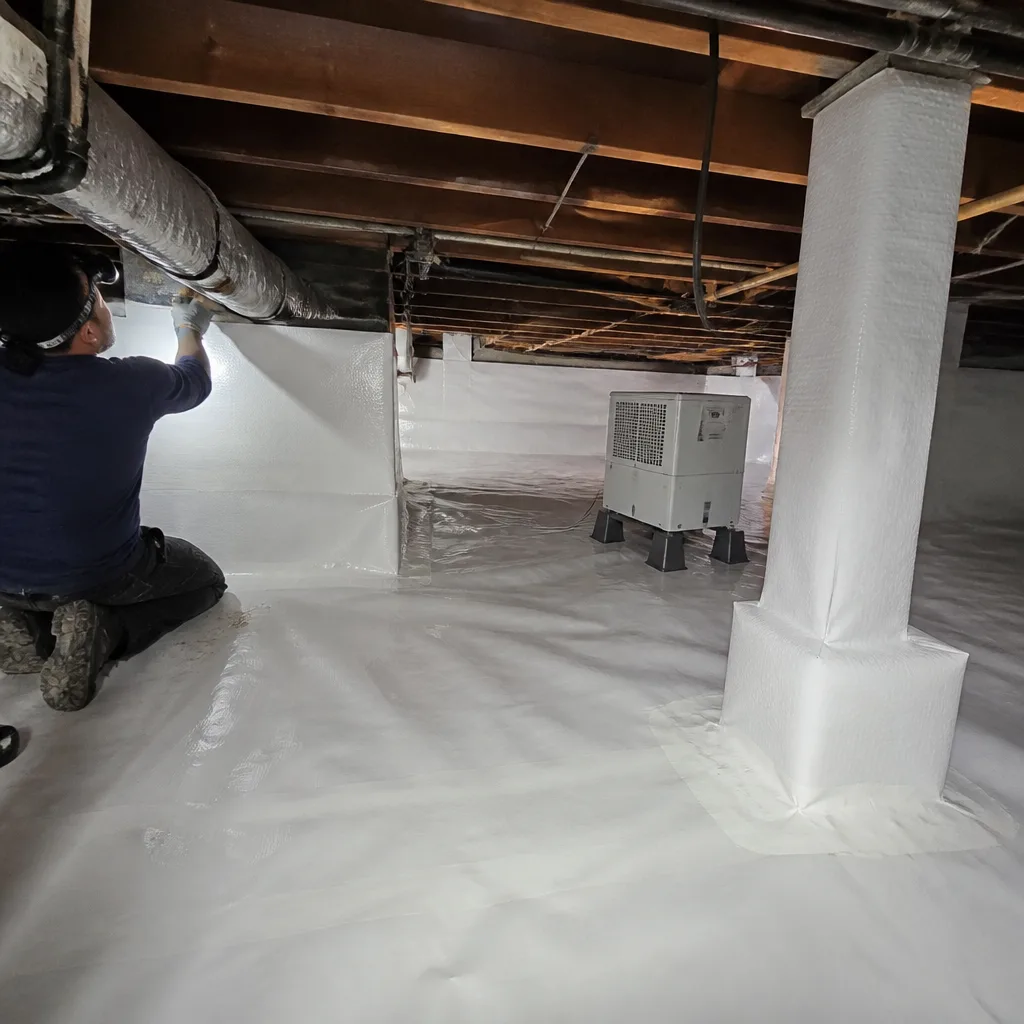
- Musty odor returning in humid months. The vapor barrier has torn at a seam or the tape has failed at the wall interface, allowing soil moisture to evaporate into the crawl space air. In Mountain View, this typically surfaces in late September when the coastal fog pattern shifts and ground moisture hasn’t fully dried from winter.
- Condensation on ductwork or plumbing lines. Relative humidity in the crawl space has climbed above 60%, which means either the dehumidifier has failed, the barrier has lost its seal, or the sump pump (if present) isn’t keeping up with the water table. The condensation itself is a symptom; the root cause is usually a breach in the envelope.
- Soft or bouncy floors above the crawl space. Moisture has reached the floor joists, causing the wood to swell and then compress unevenly as it cycles. This is past the point of barrier repair - you’re looking at potential structural remediation, which is why we flag it immediately on inspection.
- Increased pest activity. Rodents and insects follow moisture and air leaks. A properly sealed encapsulation removes both incentives; when they return, it almost always traces to a gap we can locate with a smoke pencil during our assessment.
- White or chalky residue on the barrier surface. This is efflorescence - mineral salts carried through the concrete by moisture vapor, then deposited as the water evaporates. It means vapor is getting past the barrier somewhere, or the barrier was never fully sealed to the wall in that location.
Replacement Cost & What’s Included
For a typical Mountain View crawl space of 800-1,200 square feet, complete encapsulation with Owens Corning-compatible materials runs $4,200-$5,900. That includes 12-mil reinforced polyethylene barrier with sealed seams, Foamular rigid insulation at the perimeter walls, closed-cell spray foam or EnergyComplete sealant at rim joists, and a mechanical dehumidifier with condensate pump if the space lacks gravity drainage. Jobs pushing $7,000-$7,800 usually involve active water management - a sump pit and pump, or significant grading work - or crawl spaces over 1,500 square feet common in the Waverly Park area. What drives the range: accessibility (height and clearances), existing mold or rot remediation, and whether the home needs a dedicated dehumidifier or can tie into existing HVAC. Every job gets a written price before work starts, per Haven Standard Clause 1, and the 365-Day Done Right Promise covers both materials and installation labor. We publish before-and-after blower-door numbers when the encapsulation ties into whole-home air sealing.
DIY or Call Us?
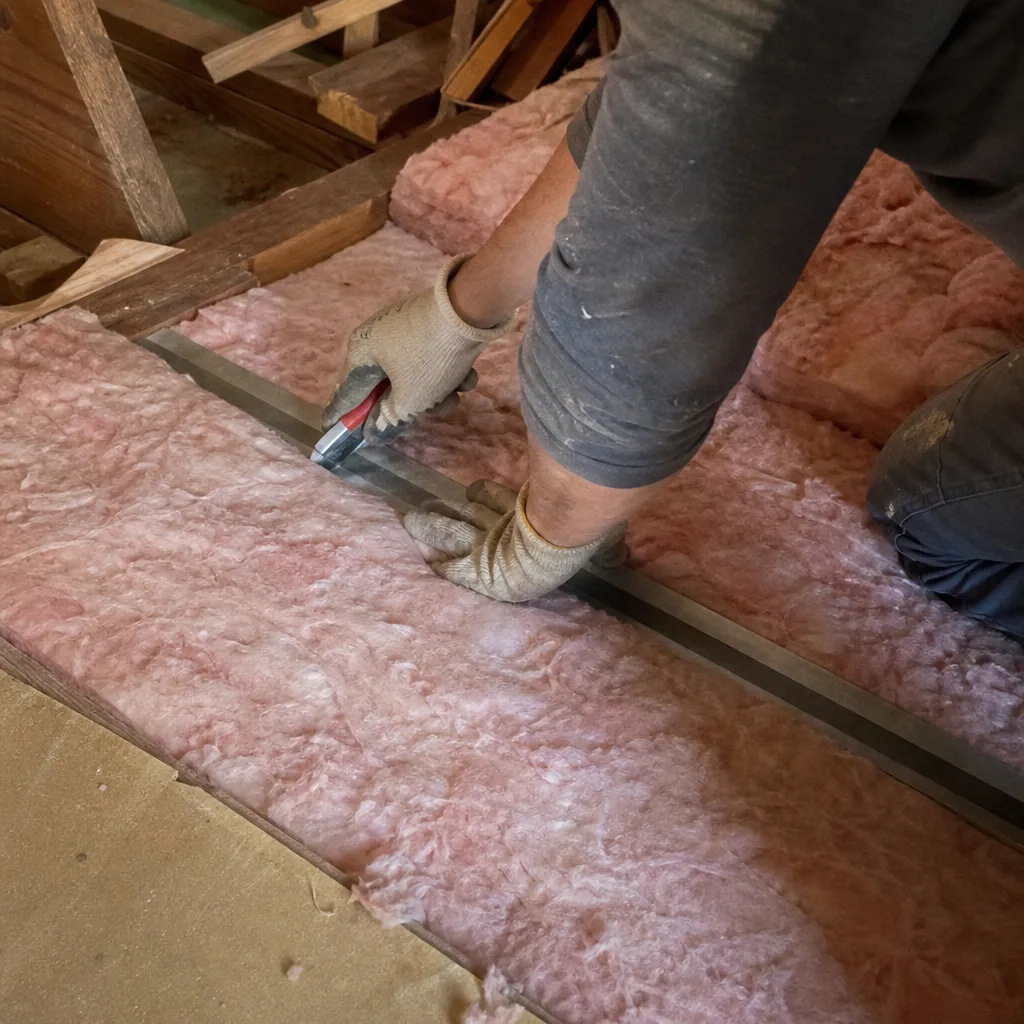
There’s a safe middle ground here. A homeowner can verify the obvious: walk the crawl space with a flashlight and look for tears, detached tape, or standing water. Check that the dehumidifier is running and the condensate line isn’t blocked. What goes wrong fast is the sealing itself - proper encapsulation requires a continuous vapor barrier lapped and sealed at all seams, sealed to the foundation walls at proper height, and integrated with any existing drainage. The butyl tape application and the detailing around piers and penetrations are where we find the most DIY failures in Mountain View. And once mold establishes in fiberglass insulation or on joist surfaces, disturbance without containment spreads spores through the floor system. We carry Owens Corning Foamular and reinforced barrier on the truck, and we can assess whether your existing work is salvageable or needs full replacement. Call (669) 259-0406 - estimates are free, and we bring a written price to the appointment.
FAQs
A properly installed system with 20-mil barrier should last 15-20 years, though the dehumidifier will need replacement at 5-8 years. The mild climate helps - we don’t see the freeze-thaw cycling that degrades materials faster inland - but the marine layer moisture means seam tape and wall adhesion are the usual failure points, not the barrier itself. Call (669) 259-0406 and we’ll inspect what you have; estimates are free.
Localized tears under 6 inches can be patched with compatible polyethylene and butyl tape if the surrounding material is still supple and the seam is accessible. If the barrier is brittle, extensively torn, or the tape has failed at multiple wall interfaces, partial or full replacement is more cost-effective than chasing individual failures. We assess this on every job and tell you which route makes sense. Call (669) 259-0406 for a free evaluation.
Most residential crawl spaces in Mountain View take 1-2 days for complete removal and replacement, assuming no structural repairs or active water intrusion. Day one is removal, cleaning, and any mold remediation; day two is barrier installation, sealing, insulation, and dehumidifier setup. We text you a named technician arrival window and provide a Documented Photo Record when the crew leaves. Call (669) 259-0406 to schedule.
We carry 12-mil and 20-mil reinforced polyethylene barriers, Foamular NGX in 1-inch through 2-inch thicknesses, butyl seam tape, and compatible dehumidifiers on every truck serving Mountain View. For less common thicknesses or specific EnergyComplete sealant formulations, we pull from our San Jose warehouse with next-day availability. We also stock Reflectix radiant barrier products for hybrid applications where the crawl space has ductwork that needs additional thermal protection. Call (669) 259-0406 - we can confirm compatibility with your existing system before we arrive.
Topside Attic Insulation Mountain View is an independent service provider - we are not affiliated with Owens Corning, though we source materials from them and other manufacturers including Johns Manville, Knauf, Rockwool, CertainTeed, Icynene, Demilec, and GreenFiber. No proprietary lock-in; we specify what performs for your specific assembly.
We’ve been in Mountain View’s crawl spaces since 2016, and the pattern is consistent: the homes that stay dry are the ones where someone took the time to seal the envelope completely before calling the job done. Seal the leaks first. The insulation has nowhere to go if the air does.
Written by Wes Okafor, Owner & Lead Insulation Technician, Topside Attic Insulation Mountain View at Topside Attic Insulation Mountain View, serving Mountain View and nearby areas.