

How Much Does Spray Foam Insulation Cost in Mountain View?
Our Spray Foam Insulation services in Mountain View, CA typically cost between $1,800 and $6,500 for a whole-home or attic project in 2026, depending on the foam type, the area being treated, and whether air sealing is completed first. Most homeowners in Mountain View pay around $2.50 to $4.50 per board foot for open-cell foam and $6.00 to $10.00 per board foot for closed-cell foam. The final number is shaped by your home’s square footage, the condition of existing insulation, and how many penetrations need to be sealed before the foam goes in.
Before we dig into the line items, one thing worth naming: the homes we work on in Mountain View – especially the ranch-style builds in Whisman Station and the older split-levels near Castro Street – frequently have unsealed top plates, recessed light penetrations, and gaps around HVAC boots that will undo even excellent spray foam if left open. Under our Spray Foam Insulation in Mountain View service, air sealing is completed before any foam is applied. That isn’t standard practice in this market, and it matters for what you actually get out of the project.
Spray Foam Insulation Cost Breakdown (2026)
Spray foam insulation in Mountain View is priced primarily by board foot – one square foot of coverage at one inch of thickness. Below are the ranges we see in the current Mountain View market, broken down by application type.
| Application Type | Foam Type | Typical Cost Range | Notes |
|---|---|---|---|
| Attic floor / top plates | Open-cell or two-part closed-cell | $1,800 – $3,200 | 1,000-1,500 sq ft attic; includes air-sealing pass |
| Attic roof deck (unvented assembly) | Closed-cell | $3,500 – $6,500 | HVAC in attic; requires 2+ inches closed-cell |
| Crawl space rim joists | Closed-cell | $600 – $1,400 | Linear footage of rim joist band |
| Garage ceiling / bonus room floor | Open-cell | $900 – $2,100 | Depends on ceiling height and access |
| Wall cavities (new construction or gut rehab) | Open-cell or closed-cell | $2,200 – $5,800 | Full wall cavity fill; drywall reinstallation billed separately |
| Bonus: blower-door air-sealing add-on | N/A | $400 – $900 | Stand-alone attic air sealing; needed on older Mountain View stock |
What These Numbers Assume
The ranges above reflect projects completed in Mountain View in 2025-2026 and account for Santa Clara County labor rates, which run roughly 18-22% above the national average for insulation work. They assume normal attic access – a pull-down stair or scuttle hole large enough for equipment – and no prior insulation removal. If your attic has wet, rodent-damaged, or mold-compromised insulation that needs to come out first, budget an additional $800 to $2,200 for removal and disposal before foam goes in. Our team documents the condition of existing material in the pre-job photo record so you have a clear picture of what was there and why any removal was necessary.
Closed-cell foam costs more per board foot for two reasons: the material itself is denser (roughly 2 pounds per cubic foot, compared to 0.5 pounds for open-cell), and the application is less forgiving. A closed-cell job at 3 inches on a roof deck in Mountain View uses more raw material, takes longer to spray in a controlled way, and requires a technician who can read the substrate temperature accurately – Bay Area mornings run cold enough in January that substrate prep genuinely affects yield. Open-cell foam is more forgiving of temperature swings and performs well on attic floors, interior walls, and any application where vapor permeability isn’t a concern.
A written price covering the full scope – materials, labor, access, cleanup, and the post-job photo record – is delivered before any work starts on every project we take. That’s Haven Standard Clause 1, and it isn’t negotiable.
What Affects Spray Foam Insulation Pricing in Mountain View
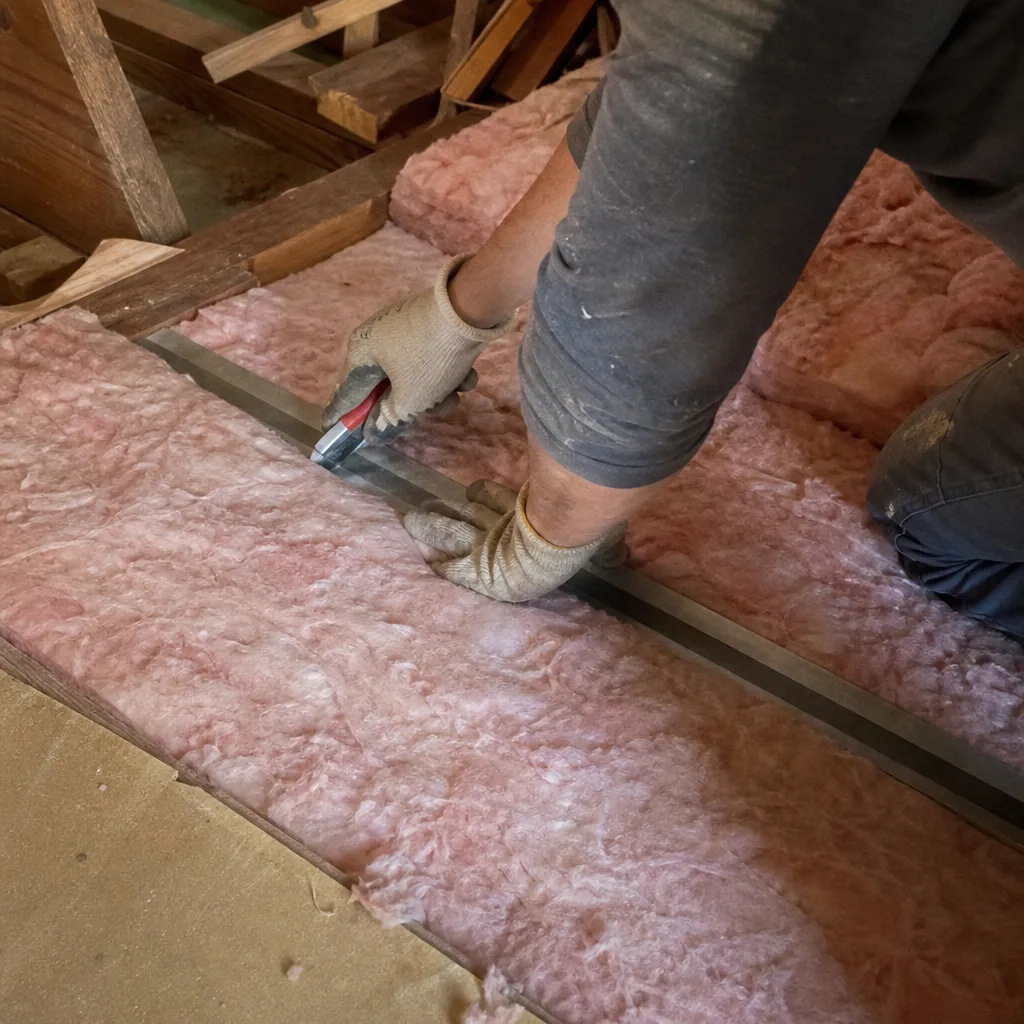
Six variables move the number on a Mountain View spray foam quote more than anything else. Understanding them helps you compare bids honestly and spot quotes that are leaving something out.
- Foam type (open-cell vs. closed-cell): Open-cell foam runs $2.50 to $4.50 per board foot and is the right choice for most attic floors and interior applications in Mountain View. Closed-cell runs $6.00 to $10.00 per board foot and is required when you need vapor control – rim joists in a crawl space, an unvented roof deck with HVAC equipment above the ceiling, or any application where the foam itself needs to act as a moisture barrier. Choosing the wrong type costs more in the long run than spending the extra money upfront.
- Square footage and thickness required: Board-foot pricing means both dimensions matter. A 1,200-square-foot attic floor at 3 inches of open-cell uses 3,600 board feet. The same attic at 5.5 inches uses 6,600. In Mountain View’s climate – classified as Zone 3B – building codes require a minimum of R-38 in attic assemblies, which translates to roughly 5.5 to 6 inches of open-cell foam or about 3.5 to 4 inches of closed-cell. Meet code minimums; don’t build to them if your goal is genuine performance.
- Air sealing scope before foam: This is the line item most Mountain View contractors omit from the quote and add after the fact – or skip entirely. Older homes in the Cuesta Park and Rex Manor neighborhoods routinely have 40 to 80 unsealed top-plate penetrations per 1,000 square feet of attic floor. Sealing those before foam is applied adds $400 to $900 to the job. Not sealing them means the foam is insulating a leaky envelope, and you’ll see the blower-door numbers reflect that.
- Attic access and job-site conditions: A standard pull-down stair in a single-story home in North Whisman adds no premium. A low-pitch attic in an older Mountain View split-level where a technician can’t fully stand, or a cathedral ceiling where equipment has to be rigged on staging, adds labor time. We measure headroom and access during the initial walkthrough and price that into the written scope before anyone commits.
- Existing insulation condition: Homes built before 1990 in Mountain View frequently contain blown fiberglass or vermiculite-era materials that need to be tested and possibly removed before new foam goes in. Rodent contamination – common in older East Whisman and Sylvan Park properties – can require full removal. Removal adds cost, but installing spray foam over compromised material is a waste of money.
- Permit requirements: Santa Clara County does not uniformly require a permit for insulation replacement in existing homes, but any work that changes the vented or unvented classification of an attic assembly – converting from a vented attic to an unvented assembly with spray foam on the roof deck – typically requires a building permit and may trigger a Title 24 energy compliance check. We flag this at the estimate stage so you aren’t surprised after the fact.
Open-Cell vs. Closed-Cell Foam: Which One Does Mountain View Need?
This is the question we get on almost every estimate in Mountain View, and the answer depends on where in the building envelope the foam is going.
Open-Cell Foam
Open-cell spray foam – products like Icynene’s ProSeal LE or similar half-pound formulas – cures soft and vapor-permeable. It costs less per board foot and expands aggressively, which makes it good at filling irregular cavities in older wood-framed Mountain View homes. It performs well as the thermal and air barrier on an attic floor, between interior wall studs, or under a floor deck over a conditioned crawl space. At the R-38 requirement for Climate Zone 3B, you need roughly 5.5 to 6 inches.
Open-cell foam is not appropriate for rim joists in a vented crawl space, for any assembly where exterior moisture drive is a genuine concern, or for roof deck applications where the foam is the only layer between the conditioned space and a hot tile roof. In those situations, closed-cell is the right tool.
Closed-Cell Foam
Closed-cell foam – products like Icynene MD-R-200 or Demilec Heatlok Soya – cures rigid, has an R-value of approximately R-6 to R-7 per inch, and acts as its own vapor retarder. It’s the correct specification for roof deck assemblies (where HVAC equipment is in the attic), for rim joists in crawl spaces, and for any exterior-facing surface in Mountain View where the foam has to do double duty as both thermal and moisture control. A full 2×6 wall cavity filled with closed-cell foam at 3.5 inches yields roughly R-22 to R-24 in that stud bay.
The higher per-board-foot cost of closed-cell is real, but putting open-cell foam in a location that calls for closed-cell means the assembly fails the vapor control requirement. We specify by application, not by which product costs less.
Mountain View-Specific Notes on Spray Foam Performance
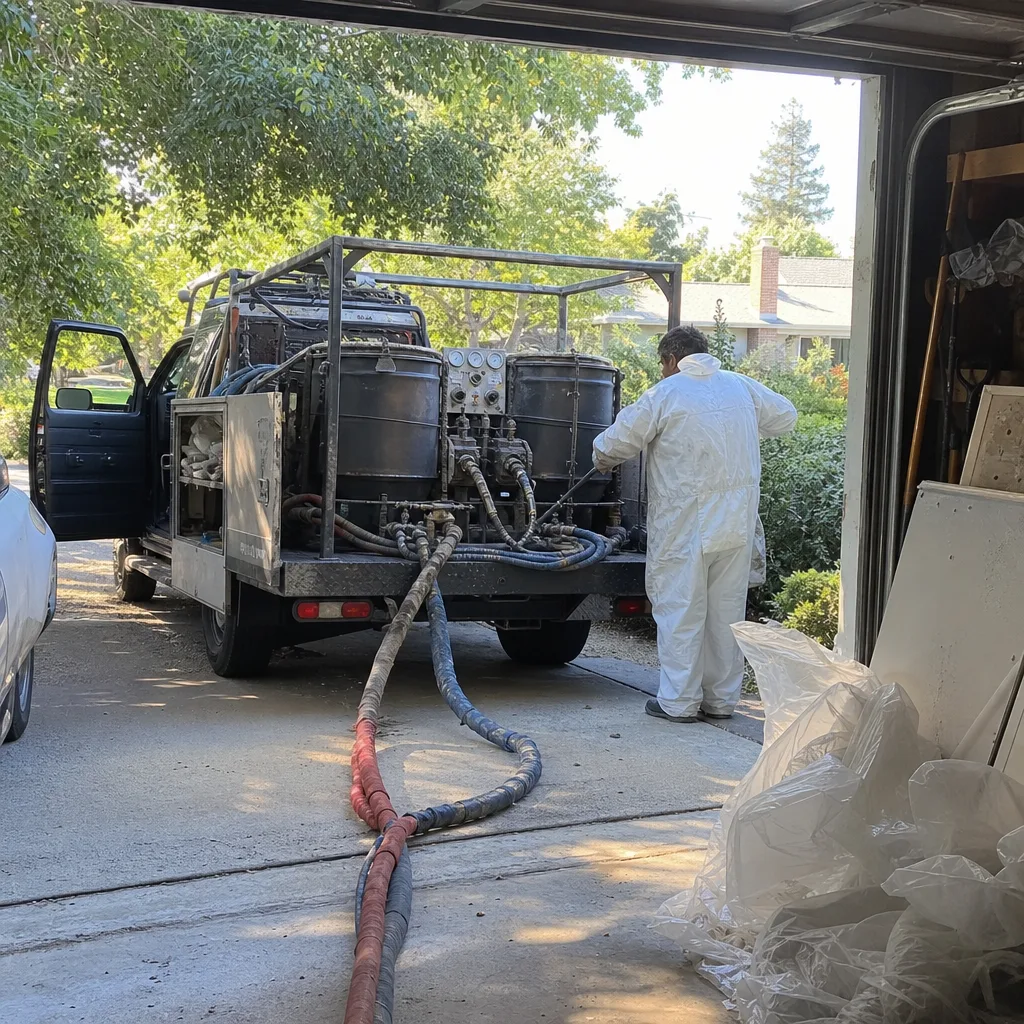
Mountain View sits in a marine-influenced climate zone where summer cooling loads are moderate but the diurnal temperature swing – daytime highs near 80°F dropping to 55°F at night – can drive moisture movement through poorly air-sealed assemblies. This is different from Sacramento or Fresno, where insulation is primarily a heat barrier. Here, the combination of cool nights, occasional coastal fog pushing in through the Cuesta Grade corridor, and homes with single-wall construction (common in 1950s-era Monta Loma neighborhood builds) means air sealing and vapor management matter as much as R-value.
In Whisman Station, we regularly see HVAC equipment installed in vented attic spaces – a detail from the 2000s-era construction there. When supply and return ducts run through a vented attic, conditioned air is moving through an unconditioned space, and even the best duct insulation doesn’t fully compensate. Converting the attic to an unvented assembly by spraying closed-cell foam to the underside of the roof deck brings the HVAC equipment inside the thermal envelope. Blower-door readings before and after that conversion in a typical 1,800-square-foot Whisman Station home have dropped from 3,800 CFM50 to under 1,600 CFM50 – a result you can verify in the before-and-after documentation we publish on every applicable project.
In the older single-story stock near Castro Street and the Evelyn Avenue corridor, the primary issue is attic floor air sealing, not foam R-value. Adding R-38 open-cell foam over an unsealed attic floor in a 1960s Mountain View home is a partial solution at best. The unsealed recessed lights, top-plate gaps, and plumbing stack penetrations can account for as much conditioned air loss as the uninsulated surfaces do. We run a blower-door test – a pressurization reading that measures, in one figure, how much air the building envelope is losing – before sealing and again after, so you can see in writing what the air-sealing pass actually did before we add an ounce of foam.
For homeowners researching the full picture of what a building envelope project involves, our home page covers the complete service line, from spray foam and blown-in insulation to crawl space encapsulation and energy audits.
How to Save on Spray Foam Insulation in Mountain View
Spray foam is one of the more expensive insulation materials by board foot, and there are legitimate ways to reduce the total project cost without cutting the scope in ways that undermine the result.
Combine Air Sealing and Insulation in One Visit
The most consistent cost-saving move on a Mountain View project is scheduling air sealing and foam installation together. Mobilizing a crew twice – once for sealing, once for foam – doubles travel and setup overhead. When both are scoped as a single project, you typically save $300 to $600 compared to scheduling them separately. More importantly, the blower-door test run at the end of a combined job captures the full performance result, not just the foam contribution.
Use the Right Foam for the Application, Not the Most Expensive One
A well-meaning contractor recommending closed-cell foam for an attic floor application in Mountain View is either spec’ing incorrectly or padding the margin. Open-cell performs correctly in that location at a fraction of the material cost. Get a written specification that names the product, the application, and the reason for the foam type – then verify the reasoning makes sense for your assembly.
Check for Utility Rebates Before You Sign
PG&E’s Home Energy Upgrade program offers rebates on air sealing and insulation for qualifying Mountain View homes. Rebate amounts change periodically, and the work must be done by a participating contractor, but a typical rebate on a combined air-sealing and insulation project in a pre-1990 Mountain View home has run between $300 and $800. We can identify whether your project and your home’s energy profile qualify during the estimate walkthrough.
Address Insulation Removal Separately if the Existing Material Is Salvageable
If your attic has adequate blown fiberglass that’s dry, uncontaminated, and not compacted below R-19, a targeted air-sealing pass and a top-up layer of blown-in insulation may outperform a full spray foam replacement at lower cost. Spray foam is not always the right answer for every Mountain View attic – we’ll tell you when it isn’t, with the blower-door numbers to back the recommendation. Documenting what was already in the attic before any work starts is part of the pre-job photo record we produce on every visit.
Get a Second Opinion on Any Written Estimate
If you have a written quote from another contractor, we’ll read it with you – line by line – at no charge. This isn’t a sales tactic; it’s how you find out whether the scope includes air sealing, which foam is specified and why, and whether the square footage math is correct. Call (669) 259-0406 to schedule a free second-opinion review and a no-obligation on-site estimate with a written price before any work starts.
FAQs – Spray Foam Insulation Cost in Mountain View
How much does spray foam insulation cost per square foot in Mountain View, CA?
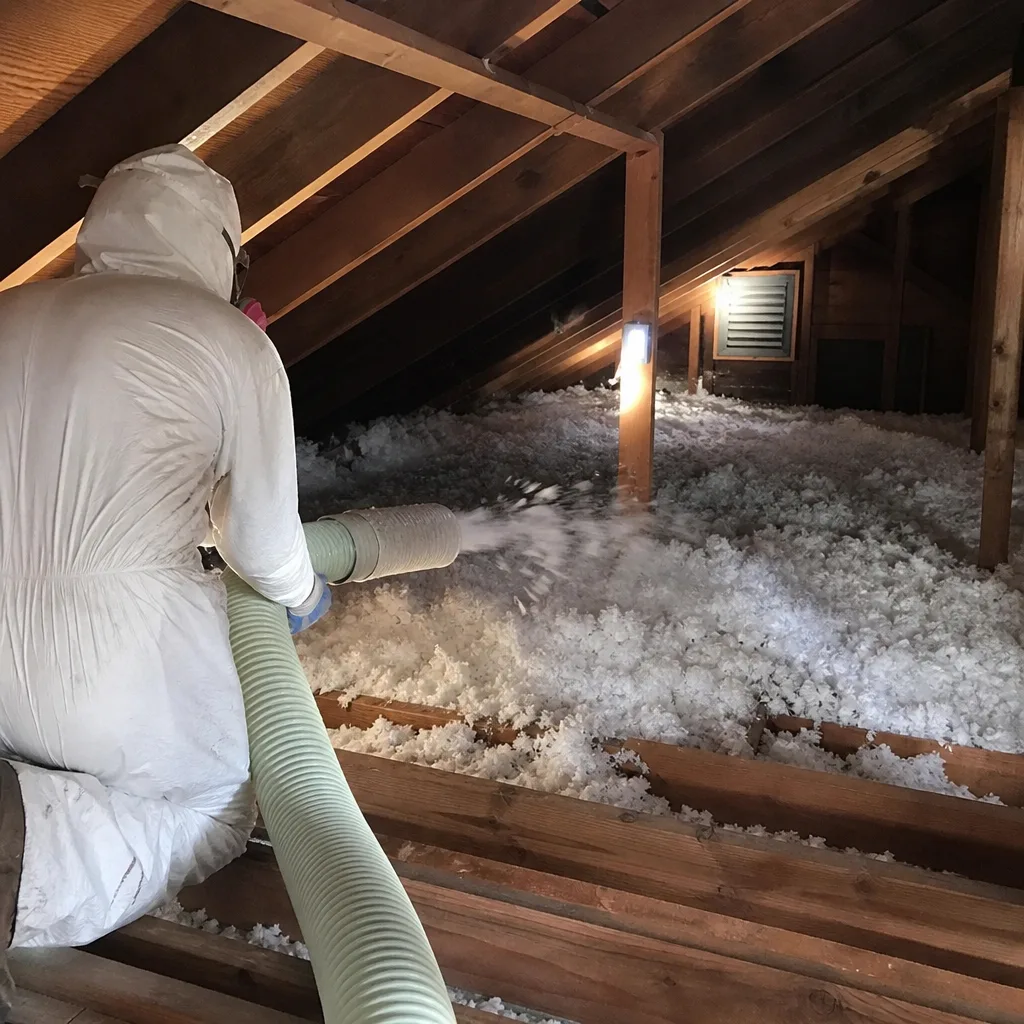
Spray foam insulation in Mountain View costs between $2.50 and $4.50 per board foot for open-cell foam and $6.00 to $10.00 per board foot for closed-cell foam. A board foot is one square foot at one inch of thickness, so a 1,000-square-foot attic floor at 5.5 inches of open-cell foam uses 5,500 board feet. At $3.00 per board foot in materials and labor, that attic floor project runs approximately $16,500 before air sealing – which is why most whole-attic spray foam projects in Mountain View fall in the $1,800 to $6,500 range when the coverage area, thickness, and foam type are all accounted for together. Call (669) 259-0406 for a written price specific to your home’s square footage and assembly.
Is spray foam insulation worth the cost in Mountain View?
For most Mountain View homeowners, yes – but only when air sealing is completed first. Spray foam outperforms blown fiberglass and cellulose on air control because it fills irregular cavities and bonds to framing members, creating a continuous air barrier rather than just a thermal layer. In Mountain View’s climate, where cooling loads are moderate but air movement through older assemblies is a significant source of energy loss, the combination of air sealing and closed-cell or open-cell foam on the right surfaces typically reduces HVAC runtime measurably. We publish before-and-after blower-door readings on every applicable job so you can see the actual change – not a projected one.
How long does spray foam insulation last in Mountain View homes?
Properly installed spray foam – whether open-cell or closed-cell – has an expected service life of 80 years or longer in a Mountain View residential assembly when the substrate is correctly prepared and the foam is not exposed to UV light. It does not settle, compress, or absorb moisture under normal conditions. Open-cell foam applied in a location with ongoing moisture exposure (such as an unvented crawl space rim joist) can degrade faster if the underlying moisture issue isn’t resolved. Closed-cell in those same locations is stable indefinitely under normal conditions.
Does spray foam insulation require a permit in Mountain View, CA?
A permit is not typically required for like-for-like insulation replacement in an existing Mountain View home – but converting a vented attic to an unvented assembly by spraying closed-cell foam to the underside of the roof deck usually does require a building permit and may trigger a Title 24 energy compliance review under Santa Clara County jurisdiction. The permit requirement is scope-dependent. We identify this during the estimate walkthrough and include permit costs in the written price when applicable, so there are no surprises after the work starts.
Can I get spray foam insulation and air sealing done in one visit?
Yes, and it’s the approach we recommend for most Mountain View projects. Air sealing – sealing top plates, can light penetrations, plumbing and electrical chases, and other attic bypasses – is completed first on every project we take. Foam goes in only after the air-sealing pass is done and documented. Combining both in a single visit reduces mobilization cost by $300 to $600 compared to scheduling separately, and it allows a single post-job blower-door reading to capture the combined performance result. Call (669) 259-0406 for a free estimate with a written price before any work starts.
Is it cheaper to spray foam the attic floor or the roof deck in Mountain View?
Spraying the attic floor is less expensive – typically $1,800 to $3,200 for a 1,000 to 1,500 square foot attic in Mountain View using open-cell foam – because it requires less material and the roof deck remains vented. Spraying the roof deck (converting to an unvented assembly) uses denser closed-cell foam at higher thickness, which runs $3,500 to $6,500 for a comparable attic area. The roof-deck approach makes sense when HVAC equipment or ductwork is located in the attic space, because it brings that equipment inside the thermal envelope. If your HVAC is in a conditioned utility closet or in a vented crawl space below, the attic floor approach is likely the right one.
Key Takeaways
- Spray foam insulation in Mountain View costs $1,800 to $6,500 for most residential projects in 2026, with board-foot rates of $2.50-$4.50 (open-cell) and $6.00-$10.00 (closed-cell).
- Santa Clara County labor rates run 18-22% above the national average and are already reflected in these ranges.
- Air sealing before foam is not optional in older Mountain View homes – unsealed top-plate penetrations and recessed lights can account for as much energy loss as the uninsulated surfaces do.
- Open-cell foam is correct for attic floors and interior walls; closed-cell is required for rim joists, unvented roof decks, and any moisture-exposed assembly.
- PG&E Home Energy Upgrade rebates can offset $300 to $800 of eligible project costs for qualifying Mountain View homes.
- Every project from Envelope Insulation Co. / Topside Attic Insulation Mountain View begins with a written price and closes with a documented photo record and before-and-after blower-door numbers on applicable jobs.
- The 365-Day Done Right Promise applies to all completed work, backed by a written warranty delivered before work starts.
Get a Written Estimate for Your Mountain View Home
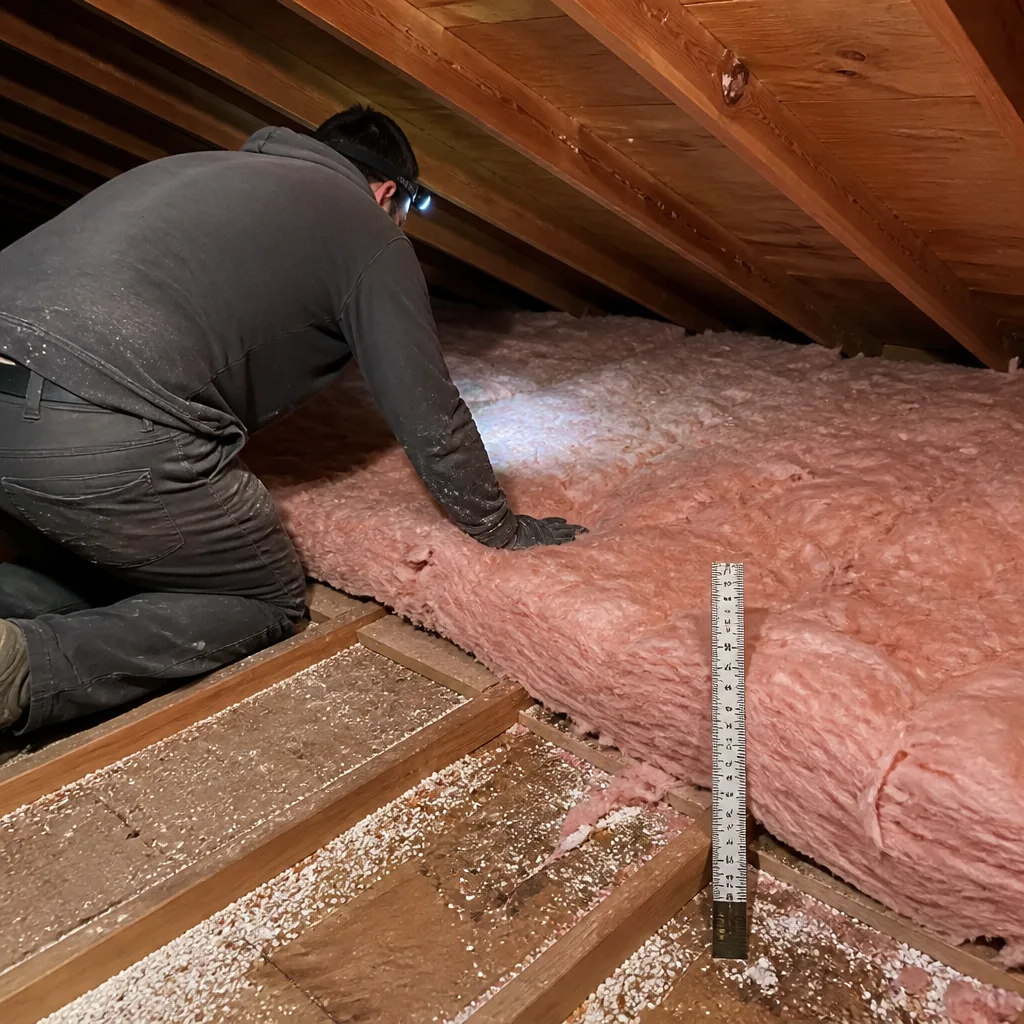
Wes Okafor and the team at Topside Attic Insulation Mountain View have completed air-sealing and insulation projects in Mountain View since 2016 – every one with a written price before work started and a documented photo record when the crew left. If you have a competing quote, bring it: we’ll read it with you at no cost, line by line, and tell you exactly what it includes and what it doesn’t.
Call (669) 259-0406 to schedule a free on-site estimate. You’ll get a named technician, a text when they’re on the way, and a written price covering the full scope before anyone lifts a tool. On applicable projects, you’ll also receive before-and-after blower-door readings so you can see, in one number, exactly what the work did for your home’s envelope.
Wes Okafor leads every project estimate personally for Mountain View clients – if you want to talk through the specification before scheduling, call (669) 259-0406 and ask for him directly.
Pricing reflects the Mountain View, CA market as of 2026. Written by Wes Okafor, Owner at Topside Attic Insulation Mountain View, serving Mountain View since 2016.
What Our Customers Say
"Crawl space encapsulation done properly. Photographs of the vapour barrier at every seam, and the damp smell in the hallway is gone."
- Ainsley P."Fixed price, clean work, and they hauled the old material away as agreed."
- Todd M."Two other companies quoted to blow more insulation on top of what was there. These were the only ones who said the existing material had to come out first, and explained why."
- Clifford E.