
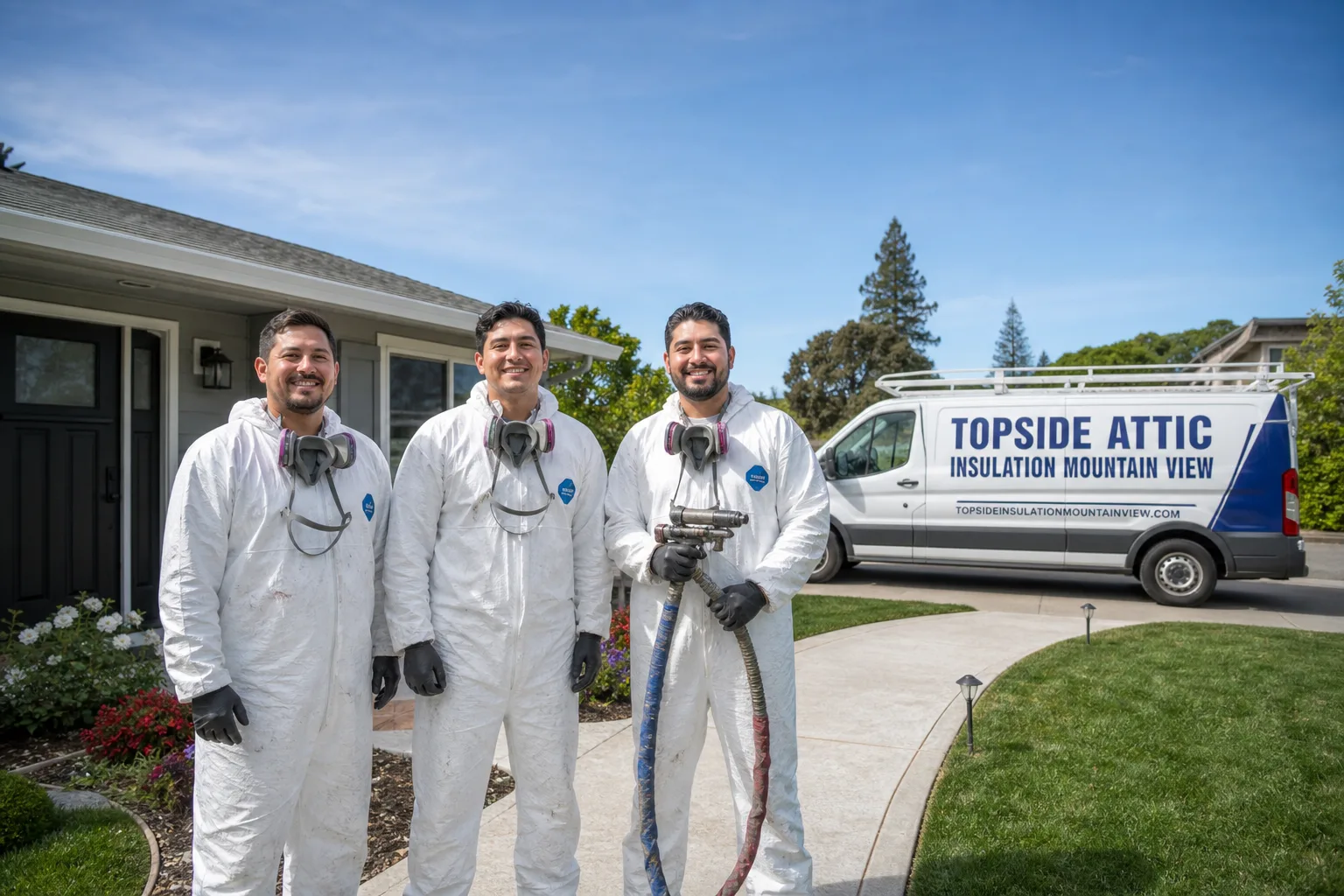
Fast, Reliable Blown-In Insulation Across Cupertino
Blown-in insulation in Cupertino typically runs $2.80-$4.50 per square foot of attic floor, with most complete attic jobs landing between $3,200 and $6,800 depending on whether air sealing and top-plate work are included. Dense-pack wall insulation for a standard 1,800-square-foot ranch runs $4,500-$7,200. We serve Cupertino from our San Francisco Bay Area dispatch office, and crews are usually on-site within 24-48 hours of your call. Call (669) 259-0406 for a written price before any work starts.
We’ve worked in Cupertino’s 1955-1978 ranch tracts long enough to know the difference between a quick blow-in and a job that actually performs. The homes off McClellan Road, near Monta Vista High, and along the older sections of Stevens Creek Boulevard share a common problem: attic insulation that measures R-9 to R-11, wall cavities that were never insulated at all, and a building department that enforces Title 24 energy compliance with unusual rigor because of the city’s renovation volume. Our Blown-In Insulation team treats every Cupertino job as a performance project, not a product installation. That means blower-door testing before and after, thermal imaging to find what the 1960s framers missed, and a written scope with documented photo record before anyone lifts a tool.
Why Topside Attic Insulation Mountain View Is Cupertino’s Preferred Blown-In Insulation Company
Cupertino homeowners don’t hire contractors who show up with a truck and a hose. They hire crews who can explain why their PG&E bill spiked in August, why the upstairs bedrooms never cool below 78°F, and how a blower-door test reading of 4,200 CFM50 translates to actual dollars lost. We’ve sealed and insulated over 9,000 homes since 2016, and enough of them have been in Cupertino that we know the local inspection sequence, the common failure modes in slab-on-grade ranches, and the specific R-value targets that satisfy Title 24 compliance officers.
Our reviews from Cupertino customers consistently mention two things: the before-and-after blower-door numbers we publish on every job, and the fact that we air-seal first, insulate second. One homeowner off Bubb Road put it directly: “They found leaks around the can lights I’d had replaced twice, sealed them, then blew insulation. My August bill dropped $187.” We answer calls with a live person 24/7, background-check and uniform every technician, and send a text with your technician’s name when they’re en route.
Response time to Cupertino is typically same-day or next-day for estimates, and we schedule work within a week during normal seasons, two weeks during peak summer demand. Dispatch and scheduling are coordinated from our San Francisco Bay Area office; crews serve Cupertino locally and carry the full material inventory needed for ranch-style homes.
Our Blown-In Insulation Services in Cupertino
Blown-In Cellulose
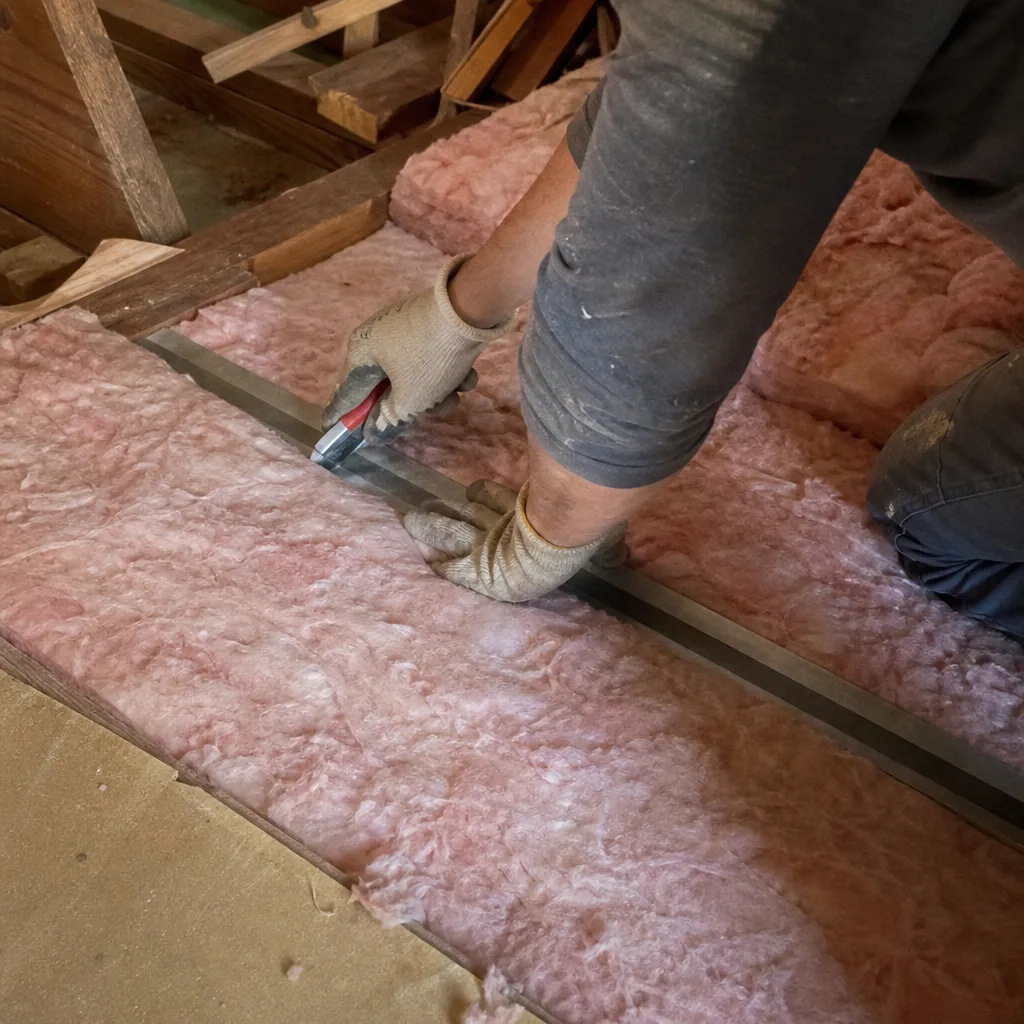
We use GreenFiber cellulose for most Cupertino attic jobs, treated with borate for fire and pest resistance. Cellulose settles to a consistent density that fills irregular joist bays better than batts, which matters in Cupertino’s older ranches where the original framing wasn’t exactly square. For a typical 1,600-square-foot attic, blowing to R-49 takes four to five hours after air sealing is complete. The material runs $2.80-$3.60 per square foot installed in Cupertino, including top-plate and penetration sealing.
Blown-In Fiberglass
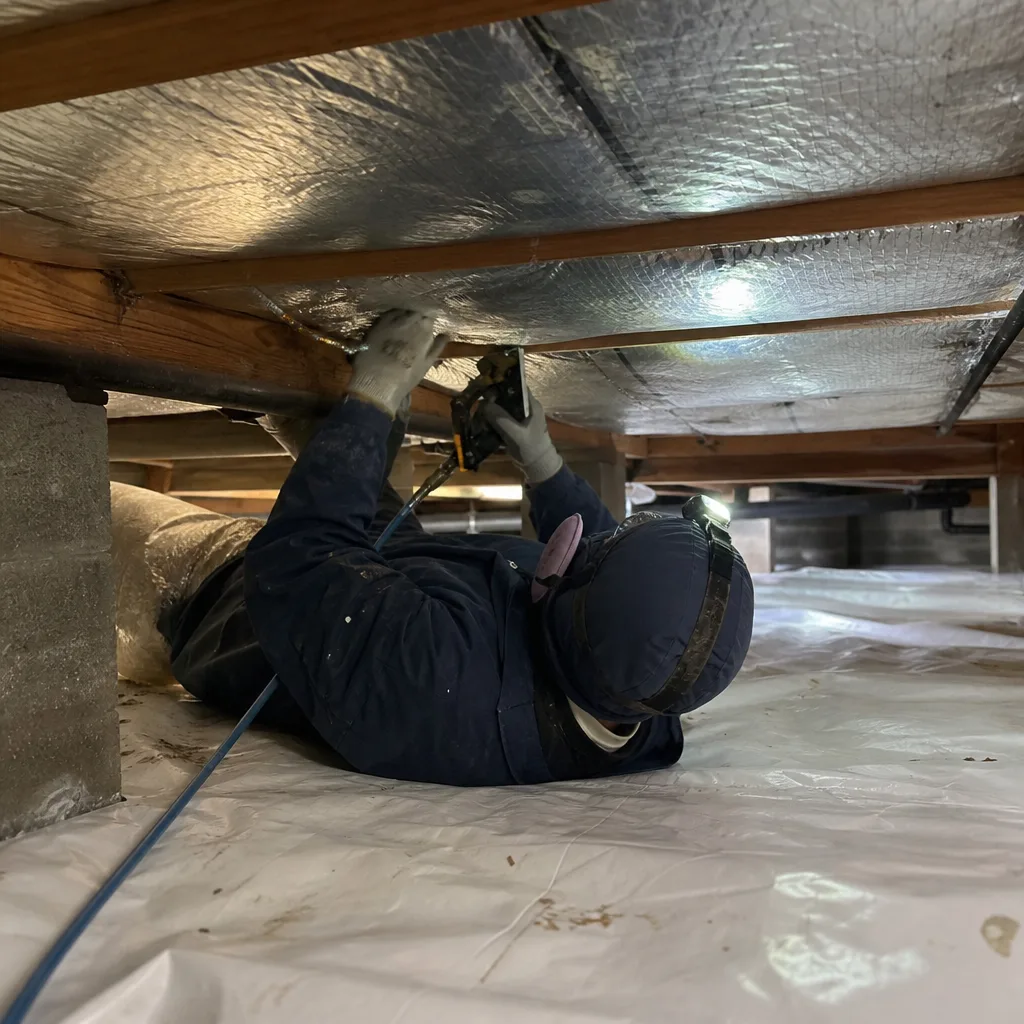
We stock Owens Corning and Johns Manville fiberglass for Cupertino homeowners who prefer it, particularly in gut-renovation scenarios where the Title 24 model specifies fiberglass for moisture-management reasons. Fiberglass doesn’t absorb water the way cellulose can, which matters in attics where HVAC duct sweating has been a problem. Installed cost in Cupertino runs $3.20-$4.10 per square foot to R-49. We rarely recommend fiberglass over unsealed top plates; the performance loss from stack-effect leakage negates the material advantage.
Dense-Pack Wall Insulation
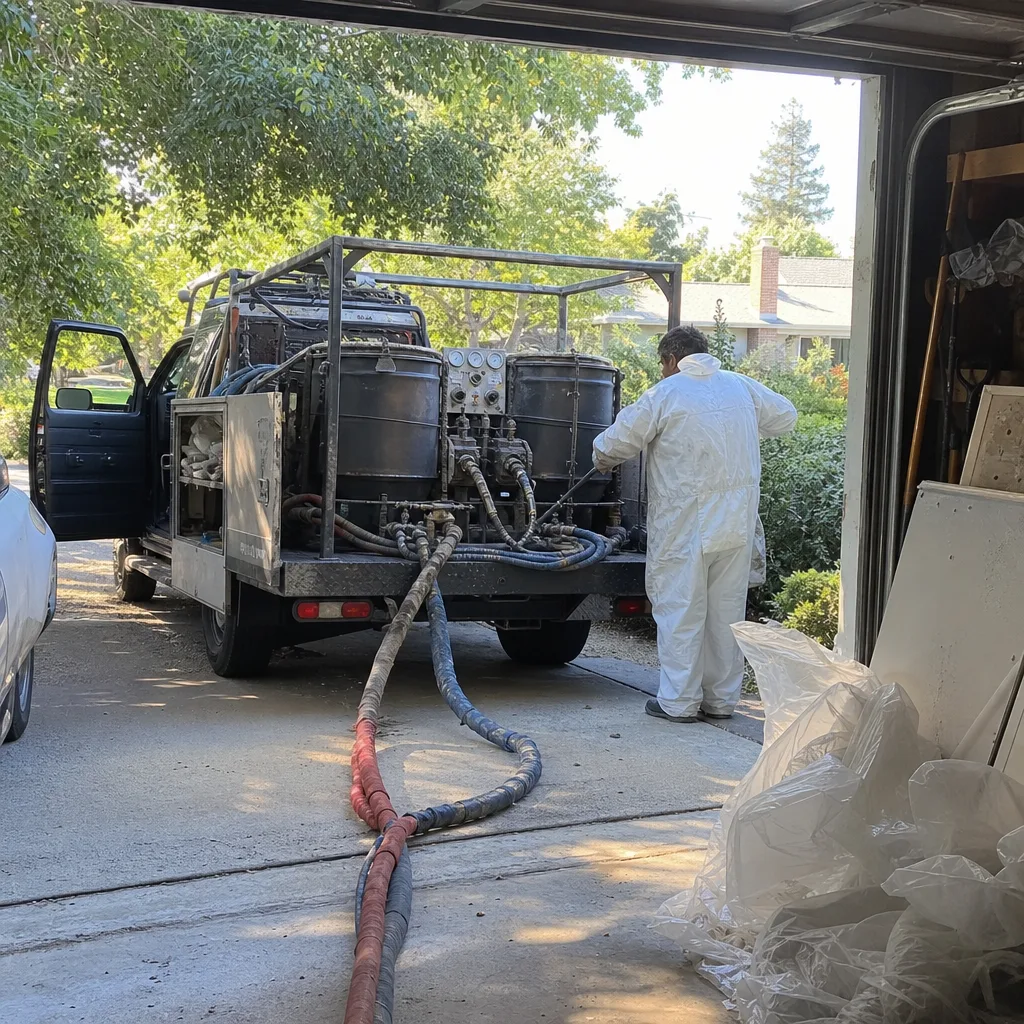
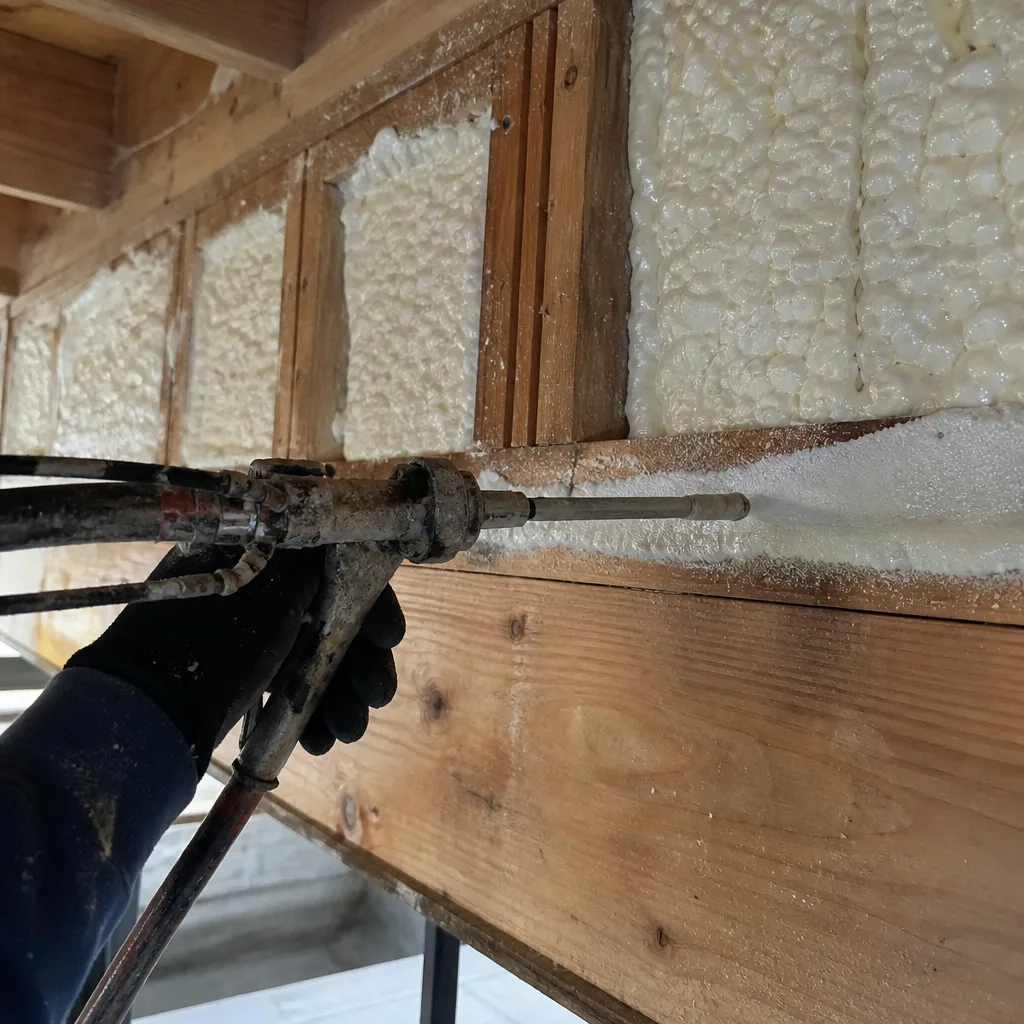
This is where Cupertino’s 1960s ranches see the biggest comfort improvement. These homes were built with 2×4 exterior walls and no cavity insulation. Dense-packing with GreenFiber cellulose at 3.5 pounds per cubic foot fills the cavity completely, stopping the thermal bypass that makes west-facing bedrooms unbearable in September. The catch: Cupertino’s ranch framing includes fire-blocking and horizontal nailers between stud bays that block the hose path. We map these with a borescope before drilling, so we don’t leave uninsulated bands that the thermal camera catches after drywall goes back up. A full exterior wall dense-pack for a 1,800-square-foot home runs $4,500-$7,200 in Cupertino.
Blown-In Top-Up
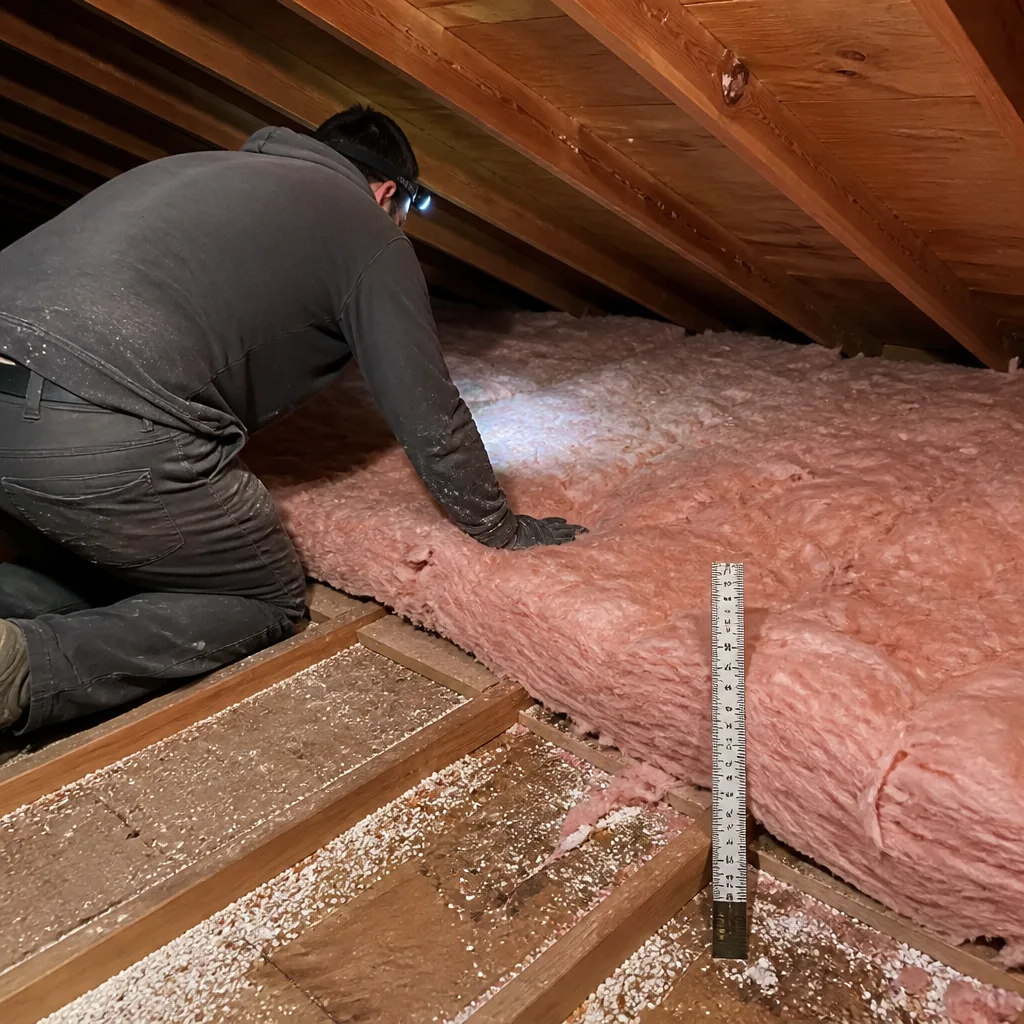
The most common call we get in Cupertino: “Our attic has some insulation, but it’s thin and patchy.” We test what exists, air-seal the top plates and can lights, then blow over the existing material to the target depth. This only works if the old insulation is dry, uncontaminated, and not compressed below its original loft. We see a lot of R-9 fiberglass batts in Cupertino attics that are fine to blow over. Cost for a top-up runs $1,800-$3,400, versus $3,800-$6,200 for full removal and replacement. We’ll tell you which you need after inspection, not before.
What happens when you call
- 1
A real person answersNo phone trees - you reach a local pro.
- 2
You get an upfront price rangeHonest numbers before anyone is dispatched.
- 3
A background-checked tech heads outLicensed & insured, dispatched right away.
- 4
You approve before work beginsNothing starts until you say go.
Trusted Brands We Service in Cupertino
We source materials from Owens Corning, Johns Manville, Knauf, and Rockwool, among others. No proprietary lock-in means we spec what performs for your specific assembly, not what a manufacturer paid us to push. Cupertino crews carry Owens Corning fiberglass and GreenFiber cellulose on every truck, so we’re not waiting on a delivery to finish your job. If your Title 24 compliance form calls for a specific product, we document the lot number and install depth for the inspector.
Common Blown-In Insulation Problems We See in Cupertino Homes
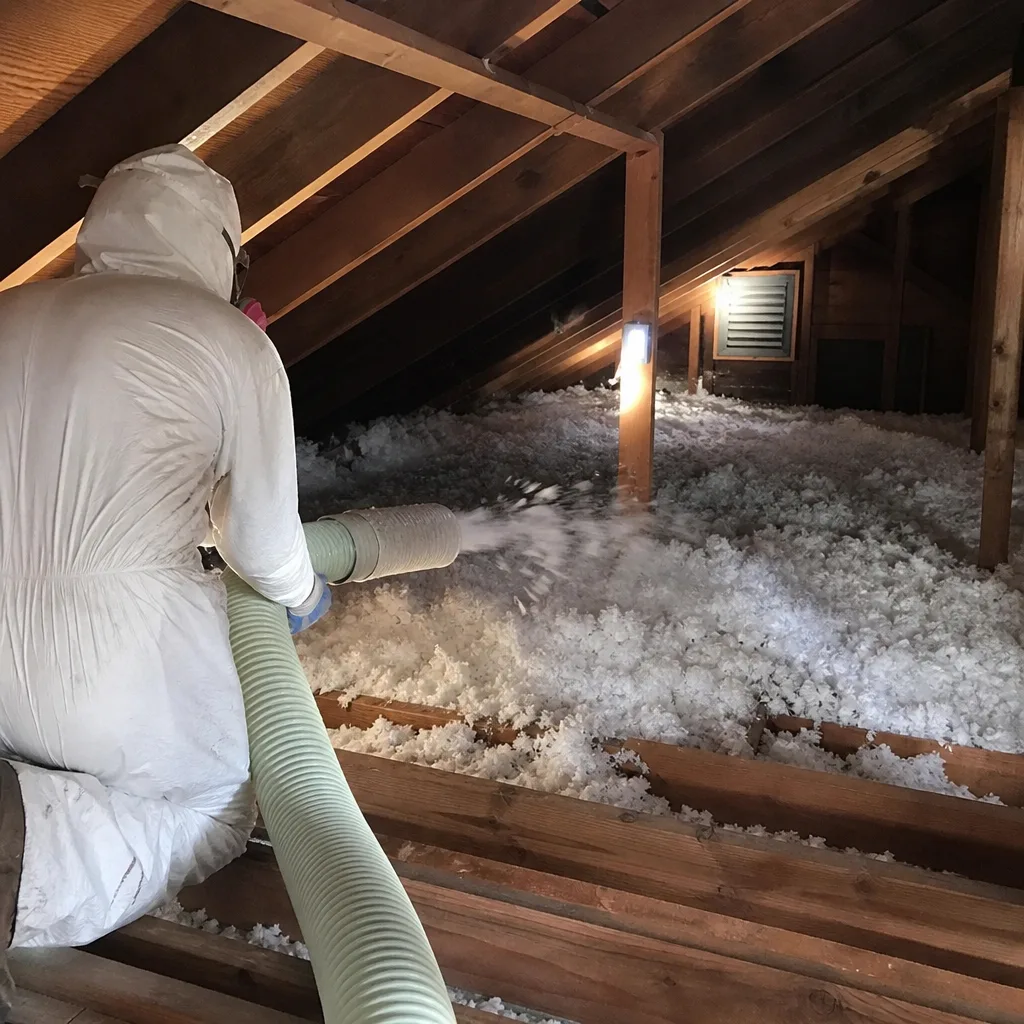
- Blowing over unsealed top plates. Contractors blow fiberglass over the original R-9 batts without air-sealing the top plates and can lights first. The Cupertino 60-degree diurnal swing drives stack-effect leakage straight through the new insulation. The retrofit underperforms its R-value on the first hot week, and the homeowner calls us to fix it.
- Blocked wall cavities from 1960s fire-blocking. Dense-pack wall jobs on Cupertino’s slab-on-grade ranch homes get blocked at the horizontal framing between stud bays. Crews who don’t borescope first leave uninsulated bands that the thermal camera lights up after drywall goes back up. We map every bay before drilling.
- Attic insulation blown before Title 24 sign-off. During permitted gut-renovations, crews blow attic insulation before the envelope inspection is signed off. The inspector requires the assembly opened back up when the blown depth doesn’t match the modeled R-value on the compliance form. We coordinate with your general contractor to sequence the work correctly.
- Ignoring the Manual J gap. Cupertino engineers often run their own load calculations and find a 15-25% gap between modeled and actual energy use. The culprit is usually air leakage, not insulation R-value. We start with a blower-door test to find where the conditioned air is escaping, then size the insulation job to close that gap.
Pricing for Blown-In Insulation in Cupertino, CA
Most blown-in attic jobs in Cupertino run $3,200-$6,800 for a complete installation to R-49, including air sealing of top plates, can lights, and penetrations. Blown-in top-ups over existing insulation run $1,800-$3,400. Dense-pack wall insulation for a full exterior wall scope runs $4,500-$7,200. These ranges reflect Cupertino’s labor costs and the additional time required for Title 24 documentation on permitted jobs.
What moves the number: attic accessibility (steep roof pitch or limited hatch size adds time), whether old insulation requires removal, the extent of air sealing needed, and whether your job is part of a permitted renovation requiring blower-door compliance testing. We provide a written price before any work starts, always. No exceptions. Bring us a competing written estimate and we’ll review it with you line by line.
Call (669) 259-0406 for a free estimate. Estimates include attic inspection, thermal imaging, and a written scope with flat price.
We Also Serve Cities Near Cupertino
Our crews work throughout the South Bay, including Saratoga, Sunnyvale, Mountain View, and Santa Clara. Each city has its own building department quirks and housing stock patterns; we adjust our approach accordingly rather than running the same playbook everywhere.
Serving Cupertino, CA - Our Local Coverage Area
We’re based in the Cupertino area and know this community well. Use the map below to see our service coverage - if you’re nearby, we can almost certainly help.
FAQs - Blown-In Insulation in Cupertino
Most 1968 Cupertino attics can be topped up if the existing insulation is dry, uncontaminated, and not compressed below its original loft. We’ll inspect with a moisture meter and visual check during your free estimate. If the old batts are water-stained, rodent-compromised, or flattened to half their labeled thickness, removal and replacement is the better investment. Call (669) 259-0406 and we’ll tell you which path makes sense after seeing it.
Yes. Cupertino’s building department enforces Title 24 compliance strictly, and the inspector will compare your installed R-value and air-leakage rate against the values on your compliance form. We coordinate with your general contractor to model the attic and wall assemblies together, blow to the specified depth, and provide blower-door test documentation that matches the CFM50 target. Getting this wrong means opening the assembly back up. Call (669) 259-0406 and we’ll review your compliance forms before we bid.
It does. The 60-degree diurnal swing amplifies stack-effect air leakage, so air sealing is more critical in Cupertino than in coastal cities where temperature differentials are milder. We spec higher-density cellulose or fiberglass in Cupertino attics to resist convection currents through the insulation layer, and we pay particular attention to west-facing wall cavities that absorb afternoon solar gain. The PG&E Tier 2 and Tier 3 rates here also shorten the payback period for every additional R-value. Call (669) 259-0406 and we’ll run the numbers for your specific home.
Yes, through exterior or interior drill-and-fill methods. We remove a row of siding or drill 2-inch holes through drywall, insert the dense-pack hose to the cavity bottom, and fill at 3.5 pounds per cubic foot. The critical step in Cupertino’s 1960s framing is mapping the fire-blocking and horizontal nailers with a borescope first; otherwise we hit a block and leave an uninsulated band. Drywall patches are included in our scope. A typical 1,800-square-foot ranch takes two days. Call (669) 259-0406 for a written price.
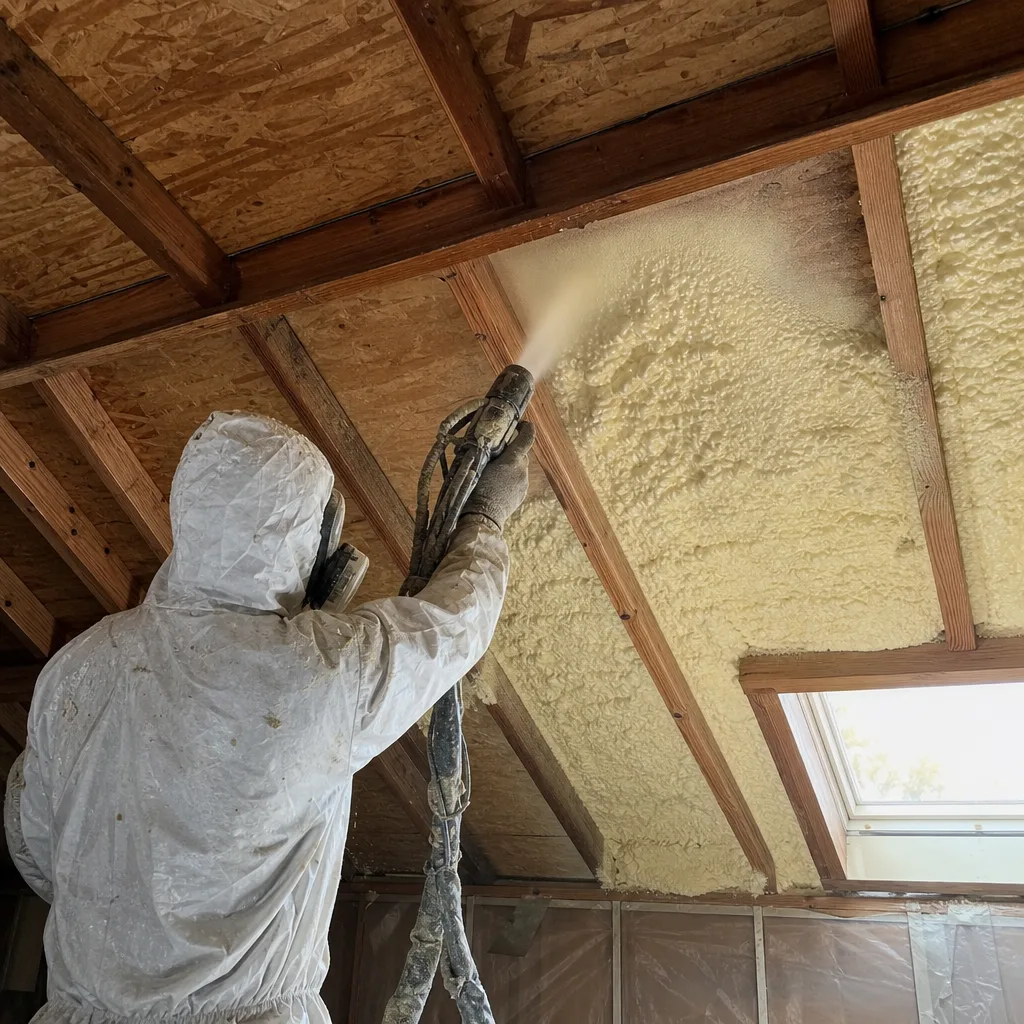
For new construction or complete rebuilds in Cupertino, spray foam often makes more sense because you’re working with open framing and can achieve continuous insulation without thermal bridging. However, blown-in cellulose or fiberglass in a netted cavity system meets Title 24 at lower material cost, and some Cupertino builders prefer it for moisture-management reasons. We install both. The right choice depends on your architect’s envelope strategy and whether you’re targeting beyond-code performance. Call (669) 259-0406 and we’ll review your plans.
Written by Wes Okafor, Owner at Topside Attic Insulation Mountain View, serving Cupertino since 2016.